Fashion
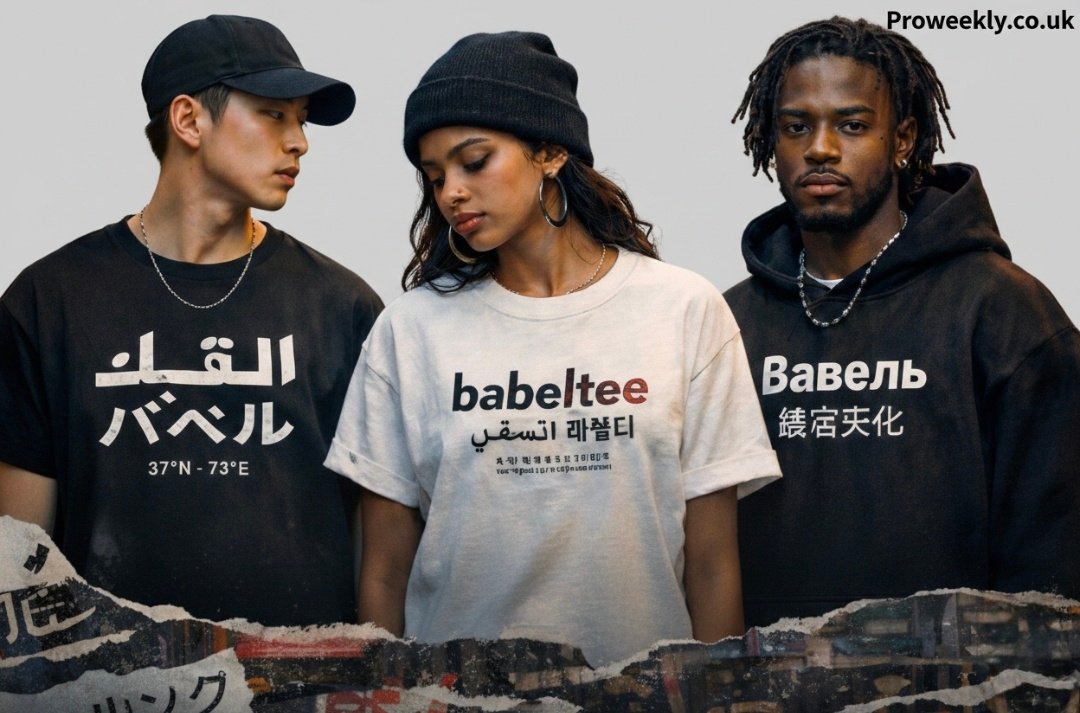
babeltee: Redefining Language Through Streetwear Culture Era

Introduction
In a world increasingly shaped by global conversation, identity has become something we wear as boldly as we speak it. Clothing is no longer just fabric stitched into form; it is language, attitude, and belonging wrapped into a visible statement. Within this evolving cultural landscape, babeltee has emerged as a concept that fuses language and streetwear into a single expressive force. It captures the idea that communication is not limited to speech, nor confined by borders. Instead, it can be printed across a chest, layered into design, and shared in public spaces without uttering a single word.
The rise of expressive apparel has mirrored the growth of multicultural awareness. People are more conscious of heritage, dialect, slang, and global influences than ever before. In that environment, babeltee feels less like a trend and more like a cultural response. It speaks to a generation that wants to celebrate diversity without abandoning individuality. It connects typography, language fragments, and street aesthetics into something that feels immediate and relevant.
This article explores babeltee in depth, not as a passing style but as a broader cultural phenomenon. It looks at what it represents, why it resonates, and how it reflects deeper social currents. By understanding its foundations, we begin to see how fashion can become a powerful tool of dialogue.
What Is babeltee
At its core, babeltee is a streetwear-driven apparel concept centered around multilingual expression and cultural storytelling through typography. The name itself evokes the ancient idea of Babel, a symbolic moment when languages multiplied and communication became layered and complex. By pairing that concept with the simplicity of a “tee,” babeltee transforms the humble T-shirt into a canvas of linguistic art.
Rather than focusing purely on logos or brand insignia, babeltee designs typically emphasize words, phrases, scripts, and cross-cultural references. These elements are not random. They are curated to reflect identity, shared experience, and the tension between global unity and local uniqueness. A single garment might combine scripts from different languages or reinterpret common expressions in visually striking ways.
The power of babeltee lies in its quiet boldness. It does not shout through excessive embellishment. Instead, it relies on the emotional weight of language. A word printed in a mother tongue, a slang phrase from a city neighborhood, or a proverb translated across cultures can evoke belonging and pride. In this sense, babeltee is less about fashion consumption and more about communication through design.
The Cultural Roots Behind the Movement
To understand why babeltee resonates so strongly, it is important to examine the cultural forces shaping modern identity. Globalization has connected continents in real time. Music, film, art, and language travel instantly through digital platforms. Yet while this interconnectedness brings opportunity, it also raises questions about authenticity and representation.
Many people today straddle multiple identities. They may grow up speaking one language at home and another in public spaces. They may carry ancestral heritage while living in cosmopolitan cities. babeltee taps into that duality. It allows wearers to display layered identities without explanation. A shirt printed in two scripts, for example, can symbolize the coexistence of past and present.
Streetwear has historically been rooted in subcultures that challenge mainstream narratives. From skate communities to hip-hop movements, clothing has served as a badge of belonging and resistance. babeltee inherits that rebellious lineage but adapts it for a multilingual world. Instead of using only graphics or slogans, it uses language itself as the medium of disruption.
The emotional dimension is significant. Language carries memory. It carries family stories, humor, pain, and resilience. When those words are worn publicly, they transform private experience into shared visibility. That act alone can feel empowering.
Typography as Identity
Typography is often underestimated in fashion, yet it plays a central role in babeltee. The choice of font, spacing, script, and layout shapes the entire message. A phrase printed in bold block letters communicates something entirely different from the same phrase rendered in delicate cursive or traditional calligraphy.
In babeltee designs, typography is rarely neutral. It reflects cultural nuance. For instance, blending Latin characters with Arabic, Cyrillic, or East Asian scripts creates a visual dialogue between worlds. This blending is not just aesthetic; it is symbolic. It suggests coexistence, conversation, and sometimes tension.
Designers working within the babeltee aesthetic often pay careful attention to how languages interact visually. Some scripts flow horizontally, others vertically. Some are dense and compact, others spacious and airy. When combined thoughtfully, they create dynamic compositions that feel alive.
This focus on typography elevates the T-shirt from simple merchandise to a curated artifact. The wearer is not just putting on fabric; they are carrying text with intention. That intention is what gives babeltee its distinctive character.
The Emotional Power of Language on Fabric
There is something deeply personal about seeing your own language represented in mainstream spaces. For communities whose dialects or scripts are often overlooked, visibility can feel revolutionary. babeltee leans into that emotional resonance.
A phrase printed in a lesser-known language can spark conversation. Strangers may ask about its meaning, opening dialogue that might never have occurred otherwise. In that moment, the garment becomes a bridge. It invites curiosity instead of division.
Even for globally dominant languages, context matters. A common phrase presented in an unexpected way can disrupt routine perception. It forces the viewer to pause and reconsider words they thought they understood. This subtle challenge is part of the allure of babeltee.
Clothing has always held sentimental value, but when text is involved, the connection deepens. Words can memorialize events, celebrate milestones, or reflect inner beliefs. By centering language, babeltee transforms apparel into a medium of introspection and storytelling.
Streetwear Influence and Urban Energy
Streetwear culture thrives on authenticity. It values raw creativity, grassroots movements, and community-driven expression. babeltee fits naturally within this ecosystem because it does not rely on elite gatekeeping. The T-shirt remains one of the most accessible garments in fashion.
Urban environments, with their layered languages and constant motion, provide fertile ground for this concept. Walk through any major city and you will hear a blend of accents, slang, and borrowed words. babeltee captures that soundscape visually.
The aesthetic often favors bold contrasts, oversized fits, and confident placement of text. Yet beneath the surface style lies a deeper intention. By drawing inspiration from urban multilingualism, babeltee mirrors the lived experience of city dwellers who navigate diverse spaces daily.
The influence of music, particularly genres that emphasize lyrical storytelling, also plays a role. Lyrics and spoken word traditions remind us that language carries rhythm and power. When fragments of that linguistic energy appear on apparel, they carry echoes of those cultural origins.
Social Dialogue and Representation
Representation is not merely a trend; it is a necessity in modern creative industries. babeltee contributes to this conversation by broadening what is considered fashionable language. Instead of defaulting to one dominant script, it acknowledges plurality.
In doing so, it challenges outdated hierarchies that once dictated which languages were marketable. It suggests that every dialect holds aesthetic potential. This shift matters because fashion influences perception. When a language appears stylish and celebrated, it shifts how people value it socially.
There is also a democratic element at play. Because the T-shirt is universally worn, messages printed on it reach a wide audience. babeltee designs can therefore participate in social commentary. They can address themes like migration, identity conflict, unity, or pride without heavy-handed preaching.
The subtlety of wearable language is powerful. It allows complex issues to surface in everyday settings. A commute, a campus, or a casual gathering can become a space of reflection simply because someone chose to wear a particular phrase.
The Commercial and Creative Landscape
While babeltee carries cultural weight, it also exists within the realities of commerce. Apparel must be produced, marketed, and sold. The challenge lies in maintaining authenticity while reaching broader audiences.
Independent designers often spearhead babeltee-inspired collections, drawing directly from their lived experiences. Their authenticity resonates because the designs feel personal rather than manufactured. As interest grows, larger brands may attempt to replicate the style. The outcome depends on whether they approach it with respect and understanding.
Creative collaboration is central to sustaining the concept. When artists, calligraphers, translators, and cultural historians work together, the result is richer and more nuanced. This collaborative spirit keeps babeltee from becoming superficial.
Innovation also plays a role. Advances in printing technology allow intricate scripts and layered designs to be reproduced accurately. Sustainable materials and ethical production practices further enhance credibility, aligning the message of unity with responsible action.
The Global Appeal of babeltee
One of the most compelling aspects of babeltee is its global adaptability. Because language exists everywhere, the concept can be localized without losing its essence. A design rooted in one region can inspire reinterpretations in another.
This adaptability fosters exchange. When someone in one country wears a phrase from another culture respectfully, it signals openness. Of course, this must be handled thoughtfully to avoid appropriation. Context, collaboration, and acknowledgment are crucial.
The universality of language also means that babeltee does not belong to a single demographic. It resonates with students, artists, travelers, and anyone who feels shaped by more than one cultural influence. That breadth of appeal strengthens its longevity.
Rather than fading as a seasonal trend, babeltee has the structural depth to evolve. As languages continue to blend and communities grow more interconnected, the appetite for expressive apparel rooted in words is unlikely to diminish.
Conclusion
In a time when identity feels both fluid and fiercely defended, babeltee offers a meaningful middle ground. It transforms clothing into conversation. It honors linguistic diversity without sacrificing aesthetic strength. By centering words on fabric, it invites reflection on who we are and how we communicate.
The brilliance of babeltee lies not in extravagance but in intention. It recognizes that language is one of humanity’s most powerful tools. When that tool is woven into everyday wear, it becomes visible, portable, and profoundly human.
As global dialogue continues to expand, the demand for creative expressions of identity will only grow. babeltee stands as a reminder that sometimes the most powerful statements are the ones we choose to wear.
FAQs
What makes babeltee different from regular graphic T-shirts?
babeltee focuses specifically on language and multilingual expression as the central design element. While regular graphic tees may feature images or generic slogans, babeltee prioritizes culturally meaningful text and typography as a form of identity and storytelling.
Is babeltee connected to a specific country or culture?
No, babeltee is rooted in the idea of global linguistic diversity. It draws inspiration from multiple languages and cultural influences rather than belonging to a single national identity.
Why does language on clothing have such emotional impact?
Language carries memory, heritage, and personal meaning. When words are displayed publicly on clothing, they can evoke pride, belonging, and conversation, making the garment feel more personal than purely decorative fashion.
Can babeltee designs address social issues?
Yes, because language is powerful, babeltee can subtly engage with themes such as migration, unity, cultural pride, and representation. The message depends on the chosen words and their context.
Is babeltee likely to remain relevant in the future?
Given the ongoing blending of cultures and languages worldwide, apparel centered on multilingual expression has strong potential for longevity. As long as people seek ways to express identity and connection, babeltee will continue to resonate.
READ MORE: Milohacherry Coin: The Revolutionary Crypto That Rewards Travel and Wellness

Introduction
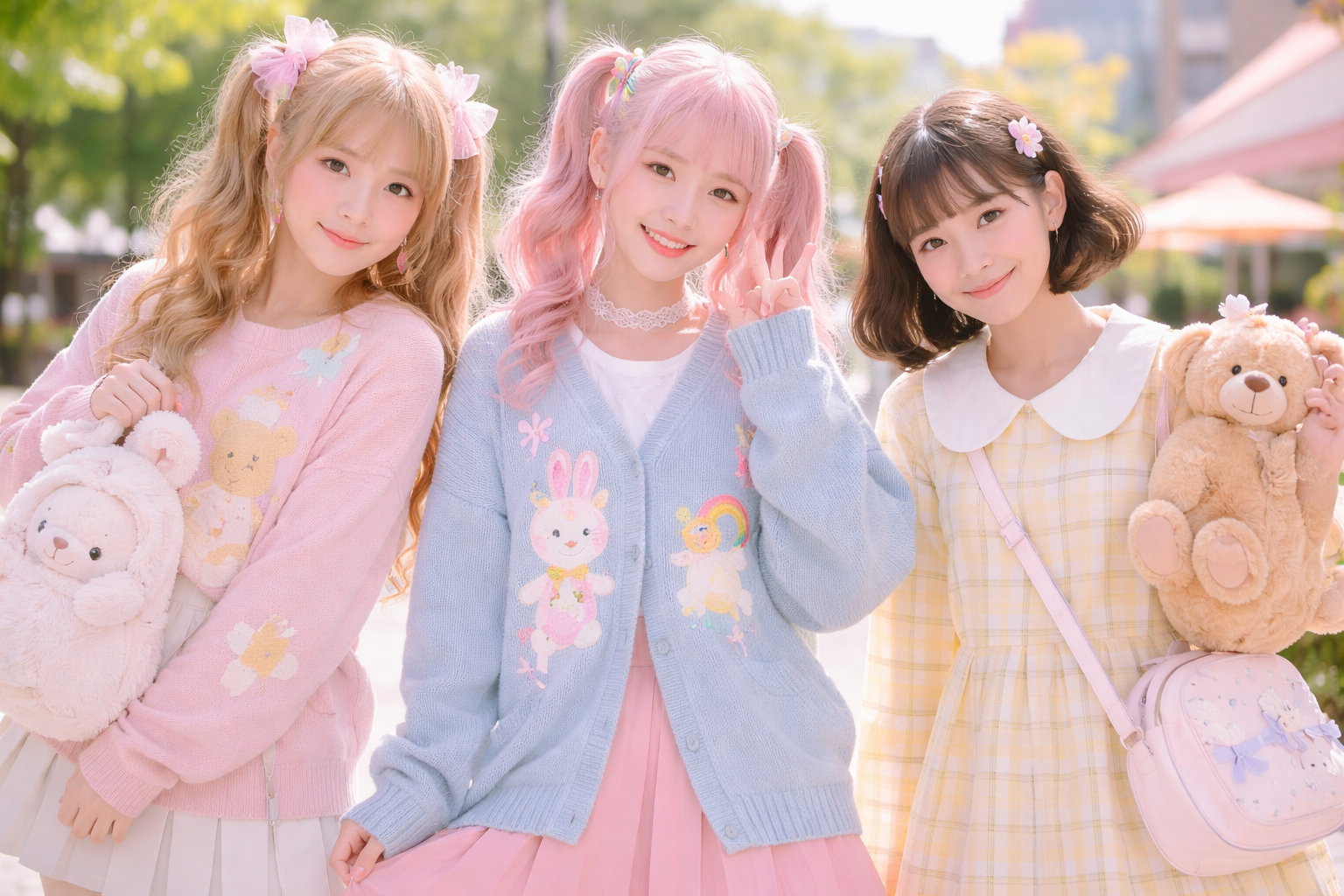
Fashion has always been a language. It tells the world who we are before we say a word. In recent years, babyfied apparel has emerged as a bold, playful, and deeply expressive trend that challenges traditional ideas of adulthood, identity, and aesthetics. At its core, babyfied apparel blends youthful silhouettes, pastel tones, oversized cuts, and childlike graphics into everyday wear. But it’s more than just cute outfits. It’s about nostalgia, self-expression, comfort, and sometimes even rebellion.
Whether you’re exploring this aesthetic out of curiosity, looking to incorporate it into your wardrobe, or considering launching a clothing line, this comprehensive guide will walk you through everything you need to know. From its cultural roots to styling tips, psychological appeal, and its place in modern fashion culture, you’ll gain a full understanding of how babyfied apparel fits into today’s evolving style landscape.
Quick Bio
| Attribute | Details |
|---|---|
| Trend Name | Babyfied Apparel |
| Emerged | Early 2010s (online subcultures), mainstream rise 2018–2023 |
| Origin Influence | Japanese Kawaii culture (1990s), Harajuku street fashion |
| Cultural Roots | Nostalgia fashion, youth revival aesthetics |
| Popularized By | Social media platforms (Instagram, TikTok) |
| Core Elements | Pastel colors, oversized fits, cartoon graphics, soft fabrics |
| Target Audience | Gen Z, millennials, alternative fashion communities |
| Primary Appeal | Comfort, emotional expression, playful identity |
What Is Babyfied Apparel?
Babyfied apparel refers to clothing that intentionally adopts youthful, infant-inspired, or toddler-like design elements in a stylized and wearable way. Think oversized sweaters with teddy bear prints, pastel overalls, Peter Pan collars, soft knit cardigans, and playful accessories like bows and plush-themed bags.
This style doesn’t mean dressing like a literal baby. Instead, it borrows visual cues from childhood and reinterprets them for modern wardrobes. It merges innocence with irony, softness with statement, and nostalgia with trend consciousness.
At its heart, babyfied apparel is about reclaiming softness in a world that often demands toughness. It allows wearers to lean into vulnerability, comfort, and whimsy without apology.
The Cultural Roots of Babyfied Apparel
Kawaii Culture and Harajuku Influence
To understand babyfied apparel, we need to look at Japan’s Kawaii culture. “Kawaii” translates to “cute,” but culturally, it represents much more. Emerging strongly in the 1990s in areas like Harajuku in Tokyo, this aesthetic embraced pastel colors, cartoon characters, frills, and exaggerated youthful elements.
Harajuku street fashion became globally recognized for its fearless layering, playful accessories, and childlike whimsy. Babyfied apparel borrows heavily from this movement, especially in its emphasis on oversized silhouettes and soft textures.
Western Nostalgia Revival
In Western fashion, the early 2010s saw a strong nostalgia wave. Millennials and Gen Z revisited childhood cartoons, 90s prints, and Y2K fashion. Baby tees, colorful overalls, and graphic sweatshirts re-entered mainstream culture.
The difference? This time, it wasn’t accidental. It was intentional and self-aware. Wearing babyfied apparel became a conscious aesthetic choice—part comfort, part statement.
Why Babyfied Apparel Is So Popular Today
Emotional Comfort in Uncertain Times
Clothing isn’t just fabric. It’s emotional armor. During periods of social stress and global uncertainty, people gravitate toward comfort. Soft fabrics, plush textures, and pastel hues evoke feelings of safety and childhood security.
Babyfied apparel delivers that emotional reassurance. Oversized hoodies feel like blankets. Cartoon motifs trigger happy memories. It’s wearable comfort.
Reclaiming Softness as Power
There’s also a subtle social dimension. For years, fashion equated power with sharp tailoring and neutral tones. Babyfied apparel flips that narrative. It suggests that softness can be strong.
Wearing a pink cardigan with embroidered clouds isn’t weakness. It’s confidence in vulnerability. It’s choosing self-expression over conformity.
Key Design Elements of Babyfied Apparel
1. Pastel Color Palettes
Soft pinks, baby blues, lavender, mint green, and cream dominate this style. These shades instantly communicate warmth and approachability.
2. Oversized and Relaxed Fits
Comfort is non-negotiable. Baggy sweaters, loose overalls, and relaxed tees are foundational pieces. The silhouette often mimics childlike proportions—intentionally exaggerated and cozy.
3. Playful Graphics and Embroidery
Teddy bears, clouds, cartoon animals, and hand-drawn motifs add personality. Embroidered details elevate the look beyond novelty into fashion territory.
4. Soft, Textured Fabrics
Fleece, knit cotton, chenille, and plush materials enhance the tactile experience. Babyfied apparel isn’t just seen. It’s felt.
How to Style Babyfied Apparel for Everyday Wear
You don’t have to go full pastel from head to toe. Styling is about balance.
Pair an oversized pastel hoodie with structured denim. Add chunky sneakers to ground the look. Mix a Peter Pan collar blouse with tailored trousers for contrast. The key is layering softness with structure.
For casual outings, combine a graphic sweater with wide-leg jeans and platform sneakers. For a playful statement look, lean into coordinated pastel sets and accessories.
Babyfied apparel works because it’s adaptable. It can be subtle or bold depending on how you build around it.
Babyfied Apparel Across Different Demographics
Gen Z and Identity Expression
Gen Z thrives on individuality. They reject rigid dress codes and embrace fluid fashion. Babyfied apparel aligns with their preference for expressive, nontraditional aesthetics.
It also resonates with online communities where visual storytelling matters. The softness photographs beautifully and feels authentic.
Millennials and Nostalgia
For millennials, the appeal is rooted in memory. Cartoons, childhood toys, and 90s color palettes hold emotional value. Babyfied apparel becomes a wearable time capsule.
Gender-Neutral Fashion Movements
One major strength of this aesthetic is its flexibility across genders. Oversized fits and pastel tones are no longer gender-coded. Babyfied apparel often exists in unisex collections, reinforcing the idea that softness belongs to everyone.
The Business Side of Babyfied Apparel
Independent brands and small designers have capitalized on this trend through limited drops and community-based marketing. Because the style emphasizes individuality, niche collections often perform well.
Consumers value authenticity. Brands that incorporate storytelling—explaining design inspiration, childhood memories, or artistic processes—tend to build stronger emotional connections.
Additionally, customization plays a big role. Embroidered names, handmade patches, and small-batch production enhance the intimate feel that babyfied apparel promises.
Psychological Appeal: Why It Feels So Good
There’s a concept in psychology called “enclothed cognition.” It suggests that what we wear influences how we feel. Soft textures and calming colors can lower stress responses and promote relaxation.
Babyfied apparel taps directly into that effect. It creates a visual and tactile experience associated with safety and simplicity. When you wear it, you’re not just dressing up. You’re shifting your mood.
It also challenges internalized beliefs about adulthood. Who says maturity requires dull clothing? Babyfied apparel quietly asks that question.
Social Media and Digital Influence
Platforms like Instagram and TikTok amplified this aesthetic. Outfit-of-the-day videos featuring oversized pastel cardigans gained traction quickly. The style photographs well under natural light and fits neatly into curated feeds.
Short-form content encourages visual experimentation. Users mix plush accessories, layered collars, and colorful socks in creative combinations. Babyfied apparel thrives in visually driven spaces.
Sustainability and Ethical Considerations
As with any fashion movement, sustainability matters. Many consumers interested in babyfied apparel are also environmentally conscious.
Look for:
- Organic cotton or recycled fabrics
- Small-batch or made-to-order production
Because the style emphasizes quality and emotional attachment, pieces are often worn repeatedly rather than discarded quickly. Investing in well-made items ensures longevity and reduces waste.
Common Misconceptions About Babyfied Apparel
Some assume the style is childish or immature. That’s a surface-level interpretation. In reality, it’s a layered aesthetic rooted in cultural exchange, emotional psychology, and modern identity exploration.
Others believe it’s exclusively for younger audiences. That’s not true. Fashion has no expiration date. Anyone can incorporate elements of babyfied apparel in a way that suits their personal style.
Conclusion
Babyfied apparel is more than a fleeting fashion trend. It’s a cultural statement, an emotional refuge, and a creative outlet. By blending pastel palettes, oversized silhouettes, and nostalgic graphics, it allows wearers to embrace softness in a world that often celebrates rigidity.
From its roots in Japanese street fashion to its mainstream presence on social media, this aesthetic reflects shifting ideas about adulthood, gender, and identity. It proves that comfort and self-expression can coexist beautifully.
If you’re curious, start small. Add one pastel knit. Try an oversized cardigan. Experiment with playful details. Style is about evolution, not perfection.
In the end, babyfied apparel reminds us of something simple yet powerful: you’re allowed to dress in a way that makes you feel safe, seen, and joyful.
Frequently Asked Questions (FAQs)
1. What exactly is babyfied apparel?
Babyfied apparel is a fashion aesthetic that incorporates youthful design elements like pastel colors, oversized fits, and playful graphics into modern clothing.
2. Is babyfied apparel only for young people?
No. Anyone can wear it. The style is about expression and comfort, not age restrictions.
3. How do I start incorporating babyfied apparel into my wardrobe?
Begin with subtle pieces like a pastel cardigan or graphic sweatshirt. Pair them with structured basics for balance.
4. Is babyfied apparel gender-specific?
Not at all. Many collections are unisex, and the aesthetic embraces gender-neutral fashion principles.
5. Why is babyfied apparel trending now?
It resonates emotionally. People seek comfort, nostalgia, and expressive style, especially during uncertain times.
READ MORE: https://proweekly.co.uk/recipes-jelly-com-recipesjelly-com/

Mobilesrus: Inside the Modern Mobile Marketplace and Why It Matters

Elaine Starchuk: Fame, Privacy, and Reinvention

heidi van pelt: A Life Beyond Fame and Controversy Story Arc

هنتاوي com: The Ultimate Arabic Anime & Entertainment Platform

Elizabeth Fraley Kinder Ready Court Case Uncovered

Inside the Truth About gina carano husband
-
 Blogs1 week ago
cavazaque: The Rise, Identity, and Untold Legacy
-
 Celebrity1 week ago
dallas yocum: The Untold Story of a Private Life Revealed!!!
-

 Tech1 week ago
Gelboodu: Inside the Global Anime Imageboard and Creative Hub
-

 Tech1 week ago
Zavalio com: Exploring the Rising Digital Content Hub of 2026
-
 Celebrity1 week ago
heidi van pelt: A Life Beyond Fame and Controversy Story Arc
-
 Tech1 week ago
Mobilesrus: Inside the Modern Mobile Marketplace and Why It Matters
-

 Culture1 week ago
Valplekar: The Hidden Tapestry of Heritage and Modern Meaning
-

 Tech1 week ago
ssis 469: Solving Hidden SSIS Permission Failures Explained