Biography
ann hsieh: Architect of Human-Centered Innovation Leadership

Introduction
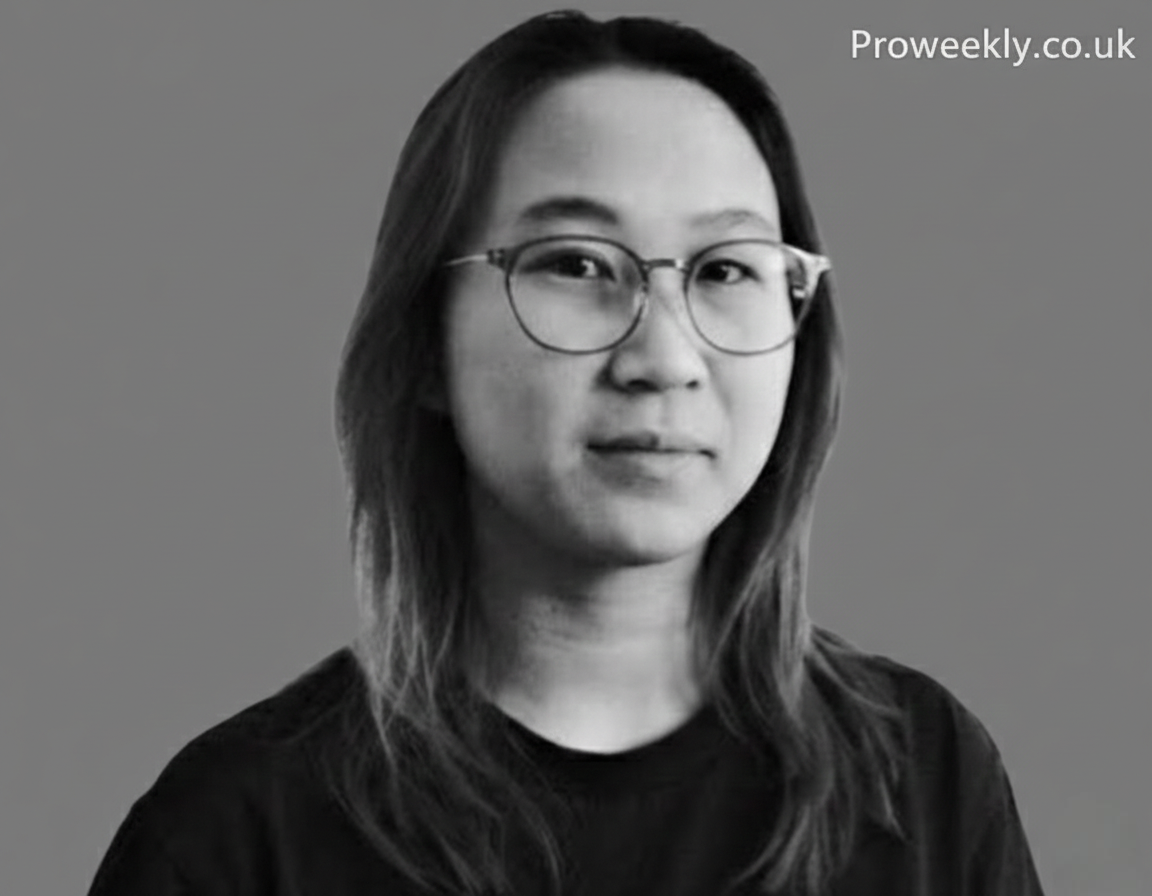
Ann Hsieh is a name that carries growing significance in the modern digital landscape, particularly within the fields of user experience research and technology leadership. While not a mainstream celebrity in the entertainment sense, Ann Hsieh has steadily built a reputation as a thoughtful strategist, a respected research leader, and a bridge-builder between human behavior and product design. Her work has influenced how some of the world’s most widely used technologies are shape, and her professional journey offers powerful insights into what it takes to lead with curiosity, empathy, and rigor in fast-moving industries. This article delves deep into her life, career, philosophy, and impact—painting a portrait of a leader whose influence reaches far beyond job titles.
Early Life and Educational Foundations
Ann Hsieh’s early life hints at the foundations of her future pursuits. Raised in an environment that balanced analytical thinking with cultural awareness, she developed an early sensitivity to human behavior and communication. Although specific personal details like her birthplace and family background remain private, what is clear from her career trajectory is that Ann Hsieh pursued academic excellence that prepared her for complex challenges. She holds a bachelor’s degree from Cornell University and a master’s degree from Stanford University, institutions known for producing thinkers who combine technical excellence with creative problem-solving. Her academic choices reflect an early passion for understanding both people and systems—an interest that would define her career path.
During her formative years in education, Ann Hsieh was not only expose to rigorous coursework but also to interdisciplinary thinking. At Cornell, she would have been immerse in an academic culture that champions diversity of thought, pushing her to connect sociological intuition with analytical frameworks. Stanford further honed her research skills and gave her exposure to cutting-edge methods in human-centered research—skills she would later apply in high-stakes professional settings. These academic experiences equipped her with the intellectual tools and the confidence to navigate the often ambiguous boundaries between human behavior, technology, and organizational goals.
The Early Career Journey
Ann Hsieh’s professional journey began with roles that emphasized understanding people in the context of technology. What sets her apart from many in the field is not merely technical prowess, but an earnest curiosity about how individuals and communities interact with digital products. Her early work focused on foundational research techniques such as user interviews, behavioral observation, and usability testing—approaches that emphasize listening before assuming. Through these methodologies, she developed an acute ability to translate complex human behaviors into clear, actionable insights that inform real product decisions.
This early stage of her career was a crucible for professional growth. Instead of settling into routine tasks, Ann Hsieh actively sought multidisciplinary challenges, often stepping outside conventional research roles to engage product teams in strategic conversations. This willingness to bridge domains—research, design, engineering, and business—laid the groundwork for her evolution as a leader capable of driving impact at organizational levels. Her early contributions demonstrated that the heart of innovation often lies not in flashy features, but in deep empathy for users and a relentless pursuit of clarity in understanding their needs.
Rise to Leadership in UX Research
As Ann Hsieh’s career progressed, so did her influence. She took on roles with increasing responsibility, eventually leading research teams focused on large-scale consumer products and online communities. One of her most notable assignments was leading research efforts around Facebook Groups—a platform where understanding collective behavior, social identity, and community dynamics is crucial. In this context, Ann’s work wasn’t just technical; it was deeply human. She studied how people form connections, how they engage with communities online, and what motivates constructive versus harmful interactions. These insights informed product decisions that directly affected millions of users.
Her approach to research is distinguishe by a commitment to mixed-methods studies—a blend of qualitative and quantitative techniques that balances narrative depth with statistical robustness. Rather than relying on a single method or rigid framework, Ann Hsieh adapted her research design to fit the unique complexities of each problem. This flexibility demonstrated her belief that human behavior cannot be fully captured through numbers alone, and that stories—real experiences—enrich data with context. Her capacity to navigate between detailed human narratives and high-level analytical thinking became a hallmark of her leadership, helping teams make informed decisions rooted in both empathy and evidence.
Leadership Style and Workplace Influence
Ann Hsieh’s reputation as a leader rests not only on her technical acumen but also on her ability to foster collaboration and build trust across functions. In large technology organizations, research often competes with business priorities and engineering constraints. Ann’s leadership style emphasizes clarity, transparency, and respect for diverse perspectives. She understands that research can be most impactful when stakeholders feel heard, and when insights are communicated in accessible language that speaks to both human values and business needs.
Building trust across teams is no small feat—especially in environments where deadlines are tight and goals can diverge. Ann Hsieh’s ability to manage these tensions reveals her intellectual flexibility and emotional intelligence. Rather than positioning research as an isolated phase or a checkbox exercise, she integrates it into the fabric of strategy and decision-making. This mindset helps ensure that research is not an afterthought, but a foundational element of product development—from conceptualization to iteration.
Impact on Product Strategy and Organizational Culture
Ann Hsieh’s influence extends beyond individual projects to the broader culture of the organizations she’s worked with. Her persistent advocacy for user-centered thinking has helped shift dialog within cross-functional teams—encouraging designers, engineers, and executives to embrace research as a shared language rather than a siloed function. In doing so, she has helped embed a more holistic approach to product strategy where user insights are valued early, guiding direction rather than merely validating decisions after the fact.
This cultural influence is significant. In many fast-paced tech environments, research is often sidelined due to perceived time constraints or business pressures. Ann Hsieh’s work demonstrates that when organizations prioritize understanding people early and continually, products become more intuitive, resilient, and adaptable. Her contributions play a role in driving products that delight users, not just meet technical specifications—a subtle but profound distinction in modern digital experiences.
Mentorship, Community Engagement, and Thought Leadership
Beyond her immediate job responsibilities, Ann Hsieh has also contributed to the wider UX community through mentorship and knowledge sharing. Seasoned researchers recognize that one of the greatest gifts they can offer is guidance—helping the next generation of professionals navigate their careers with confidence and clarity. Ann’s willingness to mentor, speak at industry events, and share methodological insights reflects her commitment to elevating the practice of UX research as a whole.
Her influence in the tech community extends to shaping how others approach research challenges, encouraging flexibility in design, and demonstrating the value of humility when engaging with users. This ethos resonates with professionals who seek not only technical proficiency but also meaningful impact—a testament to her layered understanding of what leadership truly entails.
Personal Qualities Behind Professional Excellence
While Ann Hsieh’s professional achievements are important, it is her personal qualities that amplify their significance. Colleagues often describe her as thoughtful, patient, and sincere—someone who listens deeply and speaks deliberately. These qualities create a climate of respect and mutual learning, enabling teams to tackle uncertainty with confidence. Her ability to navigate complexities with grace reveals a human-centered leadership style rooted in dignity rather than dominance—a refreshing model in an era often dominated by rapid pivots and transactional decision-making.
Beyond her professional life, Ann’s interests and pursuits reflect a deep engagement with the world around her. Whether she’s advocating for inclusive research practices or exploring the nuances of digital communities, her perspective is grounded in a belief that technology should enhance human connection rather than diminish it. This philosophical grounding elevates her work from routine output to meaningful contribution.
Challenges and Resilience
Like many leaders operating at the intersection of technology and human experience, Ann Hsieh has faced challenges that tested her resolve. Research often unfolds in environments where objectives shift rapidly, resources are limited, and stakeholders hold competing priorities. Navigating these tensions requires resilience—not just technical skill. Ann’s approach to challenges emphasizes transparency, realistic expectation setting, and creative problem-solving. Rather than seeing constraints as obstacles, she views them as invitations to innovate.
Her ability to remain composed under pressure, align teams around shared goals, and extract meaningful insights even under constraints demonstrates a rare blend of practical wisdom and intellectual curiosity. These qualities not only define her professional effectiveness but also inspire confidence in those around her, fostering teams that are adaptive and forward-thinking.
Real-World Relevance of Her Work
The influence of Ann Hsieh’s work is felt not only within boardrooms but by end users whose digital experiences are shaped by research insights she helped generate. From crafting more intuitive interfaces to fostering healthier online communities, her work resonates with real people in their everyday interactions with technology. This real-world relevance underscores the importance of integrating human understanding into product development—a lesson that extends beyond the tech industry.
Looking Ahead: Future Directions
Though already accomplished, Ann Hsieh’s journey continues to evolve. Her ongoing work reflects a commitment to research that remains grounded in people, not merely data. As digital experiences become increasingly entangled with social dynamics and human behavior, the need for thoughtful research leadership like hers will only grow. Whether she takes on larger strategic roles, contributes to organizational transformation, or mentors emerging leaders, one thing remains clear: Ann Hsieh’s influence will continue to shape how products, teams, and users engage with technology in the years to come.
Conclusion
Ann Hsieh stands as a powerful example of what it means to lead with both head and heart. Her career reflects a deep commitment to understanding people, bridging research with real-world impact, and cultivating collaborative environments where ideas flourish. In an age where technology touches every part of life, her work reminds us that at the center of innovation are human beings with stories, needs, and aspirations. Ann Hsieh’s journey is not just about professional success—it’s about shaping experiences that honor the complexity and dignity of the people they serve.
FAQs About Ann Hsieh
Who is Ann Hsieh?
Ann Hsieh is a respected user experience research leader and strategist known for her work at major technology companies and her influence on product research methodologies.
What field is Ann Hsieh known for?
She known for her expertise in mixed-methods research, stakeholder collaboration, and leadership in understanding user behavior for digital products and communities.
Where has Ann Hsieh worked?
Ann Hsieh has held roles in global technology companies—including research leadership positions focused on complex product ecosystems and online community interaction.
What makes Ann Hsieh’s approach unique?
Her approach is unique because it blends empathy with analytical rigor, prioritizes human narratives alongside data, and continually seeks to align research with strategic product goals.
Why does Ann Hsieh matter in today’s tech world?
She matters because her work helps shape products that are more intuitive, human-centered, and socially conscious—ensuring that technology serves people, not just processes.
READ MORE: Elizabeth Fraley Kinder Ready Court Case Uncovered


Introduction
In a world that often celebrates noise over nuance, mariano iduba stands as a compelling reminder that influence does not always arrive with spectacle. Some individuals leave a mark not through headlines, but through steady conviction, disciplined effort, and a clear sense of purpose. The story of this remarkable figure is not merely about personal advancement; it is about responsibility, resilience, and the subtle art of shaping communities from within.
What makes his journey so engaging is not a single defining event, but a consistent pattern of thoughtful action. There is depth behind the decisions, and intention behind the achievements. Those who have followed his work frequently describe a presence that feels grounded and deliberate, someone who measures success not only in professional milestones but in the lasting impact on people and institutions.
This article explores the life, career, philosophy, and influence of a man whose name continues to resonate in meaningful circles. Through careful reflection and analysis, we will uncover what truly defines his path and why his story matters in today’s evolving landscape.
Quick Bio
| Field | Details |
|---|---|
| Full Name | Mariano Iduba |
| Date of Birth | Not publicly disclosed |
| Age | Not publicly disclosed |
| Profession | Entrepreneur and Community Leader |
| Nationality | Not publicly disclosed |
| Known For | Leadership, community development initiatives, and strategic growth projects |
| Major Achievements | Establishing sustainable ventures, mentoring emerging leaders, and driving social impact initiatives |
| Net Worth | Not publicly disclosed |
Beyond the outline of facts, mariano iduba emerges as a figure whose influence extends far beyond titles or financial metrics. While certain personal details remain private, what stands out unmistakably is the breadth of his professional and social contributions. His work has consistently intersected with leadership, innovation, and service.
Early Life and Formative Influences
The early life of mariano iduba was shaped not only by ambition, but by observation. From a young age, he displayed a keen awareness of how systems function and how individuals fit within those systems. Rather than rushing toward visibility, he seemed to absorb lessons from his surroundings, paying close attention to both success stories and cautionary tales.
Accounts from those familiar with his early years describe a thoughtful and inquisitive mind. He was known for asking questions that went beyond the obvious. Instead of accepting outcomes at face value, he sought to understand underlying causes. This habit of deeper inquiry would later become one of his defining strengths.
Family and community played a significant role in shaping his perspective. Exposure to both opportunity and challenge fostered a balanced worldview. He learned early that progress requires patience and that leadership is less about control and more about stewardship. These principles became embedded in his character long before professional recognition arrived.
Education further refined his analytical abilities. Though specific academic details are not widely publicized, it is clear that his formative years were marked by intellectual discipline. He developed a structured approach to problem-solving that would later distinguish his leadership style.
Entering the Professional World
When mariano iduba entered the professional arena, he did so with a quiet determination that contrasted sharply with more aggressive, attention-seeking approaches often seen in competitive environments. His early career decisions reflected a long-term vision rather than short-term gain.
Instead of chasing rapid visibility, he invested time in understanding market dynamics, organizational structures, and the human element within business ecosystems. Colleagues frequently observed his capacity to listen deeply before offering insights. This patience built trust, and trust became a cornerstone of his influence.
Early ventures demonstrated a clear pattern: sustainability over spectacle. He showed a preference for building systems that could endure fluctuations rather than relying on temporary trends. While others pivoted quickly in pursuit of immediate rewards, he emphasized stability and thoughtful expansion.
What distinguished mariano iduba from peers was his ability to integrate strategic thinking with ethical consideration. Profitability, in his view, was never detached from responsibility. He understood that growth achieved at the expense of integrity ultimately weakens the foundation it stands upon.
Building a Reputation for Strategic Leadership
As his professional footprint expanded, so did his reputation for disciplined leadership. He became associated with initiatives that balanced innovation with practicality. This combination is rare, as visionary ideas often lack operational grounding. In his case, vision was consistently supported by actionable frameworks.
His leadership style is best described as participatory yet decisive. Team members have described an environment where ideas are encouraged, but standards remain high. He does not confuse openness with indecision. Instead, he filters diverse perspectives through a structured decision-making process.
Over time, mariano iduba developed a network of collaborators who valued clarity and accountability. Rather than positioning himself as the sole architect of success, he fostered collective ownership. This approach not only strengthened projects but also cultivated future leaders.
He also demonstrated an ability to navigate complex challenges without resorting to dramatic measures. Whether confronting financial obstacles, operational setbacks, or organizational tension, he maintained composure. That steadiness under pressure further reinforced confidence in his leadership.
Commitment to Community and Social Impact
The influence of mariano iduba extends beyond boardrooms and business strategies. One of the most compelling dimensions of his journey lies in his commitment to community development. He has consistently viewed economic progress and social responsibility as interconnected rather than separate pursuits.
Initiatives linked to his name often emphasize education, mentorship, and capacity-building. He appears to understand that long-term change requires empowering individuals with skills and opportunities. Short-term relief may address immediate concerns, but sustainable progress demands structural investment.
In several instances, his involvement in community-driven projects has demonstrated a preference for collaboration with local stakeholders. Rather than imposing solutions from above, he engages with those directly affected. This participatory approach increases both relevance and effectiveness.
Observers note that his impact is often subtle but enduring. Programs launched under his guidance tend to outlive initial funding cycles because they are built on shared commitment rather than dependency. That durability speaks to thoughtful planning and genuine engagement.
Navigating Challenges and Adversity
Like many driven figures, mariano iduba faced moments of uncertainty and resistance. No meaningful career unfolds without obstacles, and his journey has been no exception. What sets him apart is not the absence of setbacks, but the manner in which he responds to them.
Periods of economic volatility tested his strategic resilience. Instead of reacting impulsively, he reassessed structures, re-evaluated priorities, and recalibrated goals. This methodical approach often turned potential crises into opportunities for refinement.
There have also been moments when his long-term perspective clashed with short-term expectations from stakeholders seeking quicker returns. Maintaining conviction in such environments requires courage. He demonstrated a willingness to stand by carefully reasoned decisions, even when they were not immediately popular.
Through adversity, he reinforced a crucial principle: leadership is not validated by applause, but by endurance. The capacity to remain aligned with core values during turbulent periods ultimately strengthened both his credibility and the institutions he influenced.
Personal Philosophy and Guiding Principles
At the center of mariano iduba’s philosophy lies a belief in measured progress. He has repeatedly emphasized the importance of patience, discipline, and continuous learning. Success, in his framework, is rarely accidental. It is constructed through intentional daily actions.
Integrity forms another pillar of his worldview. Decisions are evaluated not only for their efficiency but for their ethical implications. This dual lens has shaped his reputation as a leader who values trust as much as growth.
He also appears to champion adaptability. While grounded in core principles, he does not resist change for its own sake. Instead, he assesses emerging trends with critical curiosity. This balance between stability and evolution allows him to remain relevant without compromising identity.
Mentorship occupies a meaningful place in his philosophy. He recognizes that leadership is most impactful when it multiplies. By investing time in developing others, he extends his influence beyond personal achievements. Those who have benefited from his guidance often cite his candid feedback and high expectations as transformative.
Influence on Emerging Leaders
One of the most understated aspects of his journey is the ripple effect he has created among younger professionals. Through formal programs and informal guidance, he has helped shape individuals who now carry forward elements of his approach.
He encourages critical thinking over blind loyalty. Rather than demanding agreement, he challenges emerging leaders to articulate their reasoning. This fosters intellectual independence and prepares them to navigate complexity with confidence.
His emphasis on accountability also resonates strongly with those he mentors. Responsibility, in his view, is not punitive but empowering. When individuals own their decisions, they gain control over outcomes. This mindset cultivates resilience and initiative.
The legacy of mariano iduba, therefore, is not confined to personal accomplishments. It is embedded in the growth trajectories of those he has influenced. Leadership, when practiced with sincerity, creates a lineage of competence and integrity.
Broader Cultural and Professional Impact
Ultimately, mariano iduba represents more than a single professional identity. His journey reflects broader themes relevant to contemporary society: the tension between speed and sustainability, visibility and substance, ambition and responsibility.
In an era where rapid recognition is often prioritized, his example underscores the value of steady contribution. He demonstrates that meaningful change does not always emerge from dramatic gestures. Often, it is the cumulative effect of consistent, thoughtful action.
His work also highlights the interconnectedness of economic development and social well-being. By integrating community considerations into strategic planning, he challenges outdated notions that separate profit from purpose.
The broader cultural impact of his approach lies in its practicality. He does not advocate abstract ideals detached from reality. Instead, he applies principles in tangible ways, proving that ethical leadership and operational success can coexist.
Conclusion
Ultimately, mariano iduba represents a model of leadership rooted in intention rather than impulse. His journey illustrates that influence built on integrity tends to outlast influence built on spectacle. Through disciplined strategy, community engagement, and an unwavering commitment to growth, he has crafted a legacy defined by substance.
His story reminds us that progress is rarely instantaneous. It requires reflection, resilience, and responsibility. In examining his path, we find lessons not only about professional achievement, but about character.
As conversations about leadership continue to evolve, his example offers a compelling framework. It challenges individuals to think beyond immediate rewards and to measure success by lasting contribution. In that sense, his impact transcends biography and becomes a blueprint for thoughtful advancement.
FAQs
What is Mariano Iduba known for?
He is primarily recognized for his leadership in sustainable business initiatives and his commitment to community development. His approach combines strategic growth with ethical responsibility.
Has he been involved in mentorship programs?
Yes, he has played a significant role in mentoring emerging professionals, emphasizing accountability, independent thinking, and disciplined leadership.
What distinguishes his leadership style?
His leadership style is participatory yet decisive. He encourages diverse perspectives while maintaining clear standards and structured decision-making.
Why is his work considered impactful?
His work is considered impactful because it balances profitability with social responsibility. Projects associated with him tend to focus on long-term sustainability rather than short-term gain.
Are detailed personal records about him publicly available?
Certain personal details, including exact birth date and financial metrics, are not widely disclosed. However, his professional and community contributions remain well recognized.
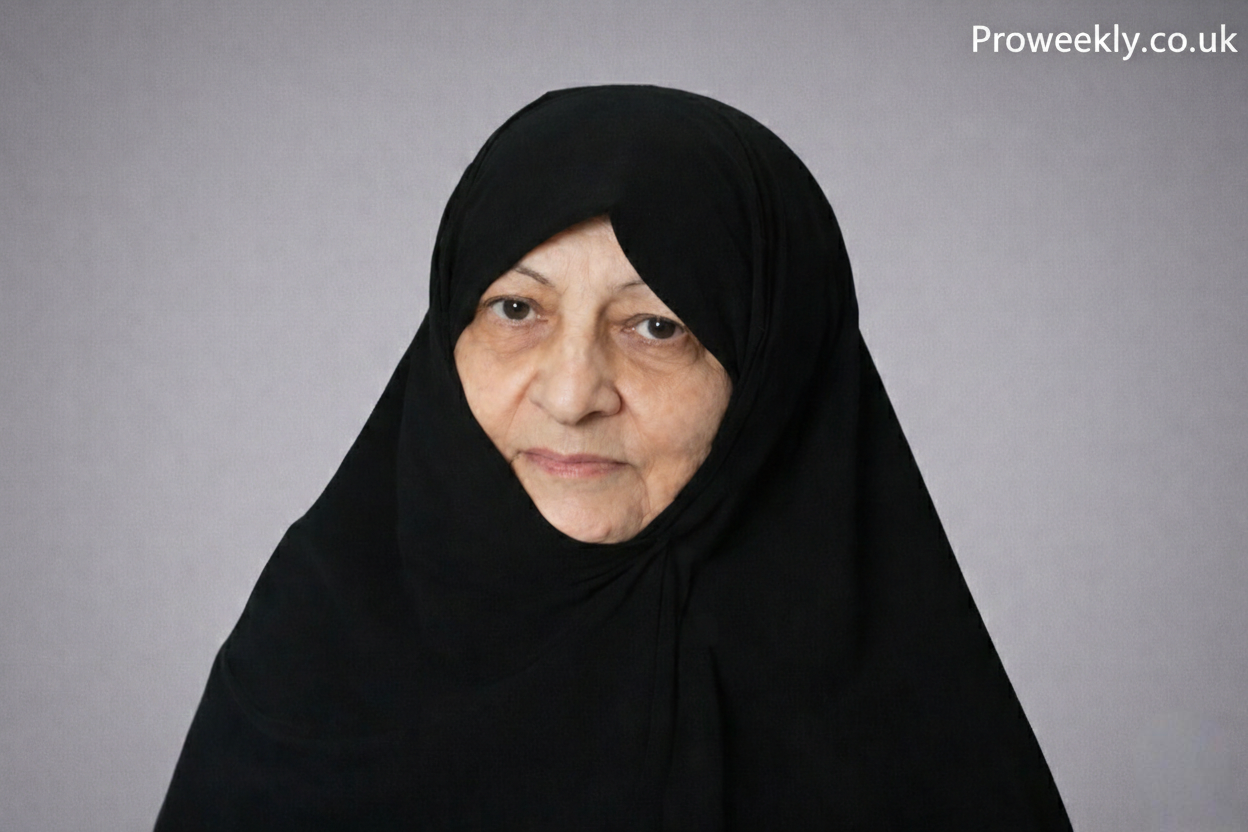
In the political history of modern Iran, some figures shape events from podiums and public platforms, while others influence the course of power quietly, from behind the scenes. Among the latter stands mansoureh khojasteh bagherzadeh, a woman whose life has been closely intertwined with the leadership of the Islamic Republic of Iran for more than five decades. Rarely seen in interviews, almost never heard in speeches, and largely absent from media narratives, she nevertheless occupies a unique and enduring position in Iran’s contemporary story as the wife of Supreme Leader Ayatollah Ali Khamenei. Her life reflects not spectacle, but discretion; not political ambition, but steadfast loyalty, family devotion, and religious commitment.
Early Life and Background
mansoureh khojasteh bagherzadeh was born in 1947 in Mashhad, a major religious city in northeastern Iran and one of the most significant spiritual centers in the Shi’a Muslim world. While her exact birth date has not been publicly disclosed, the year 1947 is widely cited in biographical accounts. She was born into a religious and traditionally minded family. Her father, Ayatollah Mohammad Reza Khojasteh Bagherzadeh, was a respected cleric and a merchant in Mashhad’s bazaar, known for his religious devotion and social standing within the community. Her family background combined clerical scholarship with commercial stability, placing her in a socially respected household.
Details about her mother and siblings have largely remained private, reflecting the family’s longstanding preference for discretion. What is known is that she grew up in a religiously observant environment shaped by the theological culture of Mashhad, a city dominated by the shrine of Imam Reza. The intellectual and spiritual climate of the city in the 1950s and 1960s was deeply influenced by clerical networks, Islamic scholarship, and political rumblings against the Pahlavi monarchy.
Her early education followed traditional lines for religious families of that era. She received primary education in Mashhad and was also instructed in Islamic studies, Qur’anic recitation, and religious ethics within her family setting. Formal records of higher academic enrollment are not publicly available, which aligns with the norms of many conservative Iranian families during that period, particularly for women raised in clerical households. Her upbringing emphasized moral discipline, modesty, family values, and religious scholarship rather than public professional ambition.
Marriage to Ali Khamenei and Revolutionary Years
In 1964, at approximately seventeen years of age, mansoureh khojasteh bagherzadeh married Ali Khamenei, who was then a young cleric and student of Islamic jurisprudence. The marriage united two religious families in Mashhad and marked the beginning of a partnership that would endure through revolution, imprisonment, political upheaval, and eventual national leadership.
At the time of their marriage, Iran was under the rule of Shah Mohammad Reza Pahlavi. Clerical opposition to the monarchy was intensifying, and Ali Khamenei would soon become actively involved in anti-Shah activities inspired by Ayatollah Ruhollah Khomeini. During the 1960s and 1970s, Khamenei was arrested multiple times by SAVAK, the Shah’s secret police, for his political activism. Throughout these turbulent years, mansoureh khojasteh bagherzadeh managed the household under constant pressure and uncertainty.
Living under surveillance and facing financial limitations due to her husband’s political stance, she experienced firsthand the strains of revolutionary activism. Friends and associates of the family have described her as patient, composed, and deeply committed to supporting her husband’s religious and political mission. The years before the 1979 Islamic Revolution were marked by hardship, but they also forged the private resilience that would define her later life.
Life After the 1979 Islamic Revolution
The 1979 Islamic Revolution dramatically transformed Iran’s political landscape. With the fall of the monarchy and the establishment of the Islamic Republic under Ayatollah Khomeini, Ali Khamenei’s political influence expanded rapidly. He served in several significant roles, including as a member of the Revolutionary Council, Deputy Defense Minister, and later President of Iran from 1981 to 1989.
During this period, mansoureh khojasteh bagherzadeh remained almost entirely absent from public political life. Unlike many spouses of heads of state around the world, she did not cultivate a public platform or independent political identity. Instead, she continued to focus on her family and religious commitments.
The couple raised six children: four sons and two daughters. Their sons include Mostafa, Mojtaba, Masoud, and Meysam Khamenei, while their daughters are Boshra and Hoda. Several of their children pursued religious studies, continuing the clerical tradition of the family. Throughout the Iran-Iraq War in the 1980s, when the nation endured immense social and economic strain, she maintained a notably simple lifestyle, consistent with the ideological emphasis on modesty promoted by revolutionary leaders.
Observers of the era have often remarked that despite her husband’s growing prominence, the household reportedly maintained conservative routines. mansoureh khojasteh bagherzadeh was known to avoid luxury or visible displays of wealth, reinforcing the revolutionary narrative of humility and religious duty.
Role as the Supreme Leader’s Wife
In 1989, following the death of Ayatollah Khomeini, Ali Khamenei was appointed Supreme Leader of Iran. This marked a historic turning point not only for the country but also for mansoureh khojasteh bagherzadeh. As the wife of the highest-ranking political and religious authority in the Islamic Republic, her position became symbolically significant, even if she remained largely unseen.
Iran does not formally recognize the role of “First Lady” in the Western sense. There is no official office, platform, or ceremonial program assigned to the Supreme Leader’s spouse. Consequently, mansoureh khojasteh bagherzadeh has never held public-facing political responsibilities. Her influence is believed to be primarily private and familial rather than institutional.
Reports from individuals familiar with the leadership circle suggest that she has continued to serve as a stabilizing presence within the family. In political systems where personal trust networks matter greatly, the domestic sphere often intersects subtly with national governance. Although there is no evidence of her direct involvement in policymaking, her long-standing partnership with the Supreme Leader situates her within the innermost circle of Iran’s power structure.
Personal Values and Public Image
One of the most striking aspects of mansoureh khojasteh bagherzadeh is the near-total absence of media exposure. In an age defined by constant publicity, her privacy stands out. Photographs of her are rare, and recorded interviews are virtually nonexistent. This deliberate invisibility aligns with traditional Shi’a clerical norms regarding modesty and gender roles within conservative religious families.
Her public image, insofar as it exists, is tied to themes of piety, simplicity, and loyalty. She is often described in Iranian media as a devoted mother and supportive spouse who prioritized family stability over public recognition. In a political environment frequently marked by factional rivalries and ideological disputes, her personal narrative has remained untouched by controversy.
The limited information available suggests a life structured around religious observance, domestic responsibility, and close-knit family bonds. For supporters of the Islamic Republic, she represents continuity with revolutionary values. For observers outside Iran, her invisibility has often fueled curiosity, but verified details remain carefully guarded.
Family Influence and Next Generation
Over time, attention has occasionally shifted toward the couple’s children, particularly given speculation about succession within Iran’s leadership. While such political discussions remain speculative, the family’s clerical background and institutional connections have kept them within analytical focus.
mansoureh khojasteh bagherzadeh has played a central role in shaping this family environment. Raising six children during years of revolution, war, and political transformation required discipline and resilience. Those close to the family have indicated that education, religious study, and ideological commitment were strongly emphasized within the household.
Despite persistent international scrutiny, there is no publicly verified evidence of significant personal wealth or business empires directly associated with her. Financial transparency surrounding Iran’s leadership is limited, but available reporting has not identified independent commercial ventures linked personally to her name.
A Life Defined by Discretion
In modern political culture, influence is often measured by visibility. Yet mansoureh khojasteh bagherzadeh represents a different model of presence. Her life underscores how power can be adjacent rather than direct, supportive rather than declarative.
For more than half a century, she has witnessed Iran’s transformation from monarchy to revolutionary state, through war, sanctions, reform movements, and geopolitical tensions. She has lived through assassination attempts against her husband, domestic unrest, and international crises, all while maintaining a steadfastly private existence.
The endurance of her marriage, spanning decades of extraordinary political strain, forms one of the quiet constants in Iran’s leadership structure. Whether viewed through a political, sociological, or cultural lens, her biography offers insight into the familial dimensions of religious governance in the Islamic Republic.
Conclusion
The story of mansoureh khojasteh bagherzadeh is not one of public speeches or political campaigns. It is a narrative rooted in family, faith, and constancy. Born in Mashhad in 1947 into a religious household, she entered marriage at a young age and stood beside her husband through revolution, imprisonment, war, presidency, and ultimately supreme leadership. Her life reflects a deliberate choice of privacy in a system where symbolism matters deeply.
Though she remains largely unseen, her presence has been woven into the fabric of Iran’s contemporary history for decades. In understanding the private dimensions of political authority, her biography offers a reminder that influence often resides not only in official titles but also in enduring partnership, resilience, and quiet strength.
FAQs
What is the birth year and birthplace of mansoureh khojasteh bagherzadeh?
She was born in 1947 in Mashhad, Iran. While the exact day and month of her birth have not been publicly disclosed, the year and city are consistently reported in reliable biographical sources.
Who are the parents of mansoureh khojasteh bagherzadeh?
Her father was Ayatollah Mohammad Reza Khojasteh Bagherzadeh, a cleric and merchant in Mashhad. Public information about her mother and siblings remains limited due to the family’s strong preference for privacy.
When did mansoureh khojasteh bagherzadeh get married?
She married Ali Khamenei in 1964 when he was a young cleric active in religious scholarship and political opposition to the Shah. Their marriage has lasted for more than six decades.
How many children does she have?
She has six children, including four sons and two daughters. Several of her sons have pursued religious education, continuing the clerical tradition of the family.
Is mansoureh khojasteh bagherzadeh involved in politics?
There is no verified evidence that she holds any formal political position or participates directly in governance. Her role has remained private, centered on family life and religious commitment rather than public political activity.
READ MORE: julianna farrait: Love, Crime, and Loyalty Behind an Empire

Mobilesrus: Inside the Modern Mobile Marketplace and Why It Matters

Elaine Starchuk: Fame, Privacy, and Reinvention

heidi van pelt: A Life Beyond Fame and Controversy Story Arc

هنتاوي com: The Ultimate Arabic Anime & Entertainment Platform

Elizabeth Fraley Kinder Ready Court Case Uncovered

Inside the Truth About gina carano husband
-

 Blogs1 week ago
cavazaque: The Rise, Identity, and Untold Legacy
-

 Celebrity1 week ago
dallas yocum: The Untold Story of a Private Life Revealed!!!
-

 Tech1 week ago
Gelboodu: Inside the Global Anime Imageboard and Creative Hub
-

 Tech1 week ago
Zavalio com: Exploring the Rising Digital Content Hub of 2026
-
 Celebrity1 week ago
heidi van pelt: A Life Beyond Fame and Controversy Story Arc
-
 Tech1 week ago
Mobilesrus: Inside the Modern Mobile Marketplace and Why It Matters
-

 Culture1 week ago
Valplekar: The Hidden Tapestry of Heritage and Modern Meaning
-

 Tech1 week ago
ssis 469: Solving Hidden SSIS Permission Failures Explained