
Sports
Balap Jepang Cantik: Speed, Beauty, and Power

Introduction
The phrase balap jepang cantik may sound simple at first glance, yet behind it lies a fascinating intersection of speed, discipline, aesthetics, and cultural transformation. Literally translated, it evokes the idea of “beautiful Japanese racing,” but the expression carries deeper layers than its words suggest. It speaks to the elegance of Japanese motorsport engineering, the rise of women in racing culture, and the unique way Japan blends artistry with high-performance machines.
In Japan, racing has never been just about speed. It is about precision, honor, and technical perfection. From the high-revving engines developed by legendary manufacturers to the disciplined racers who dedicate their lives to the craft, the concept of beauty in competition is deeply embedded. When people refer to balap jepang cantik, they are often describing not only attractive female racers or race queens, but also the graceful design of Japanese race cars and the sophisticated culture surrounding motorsports in Japan.
Understanding this phrase requires exploring Japan’s automotive history, the role of women in the racing scene, the visual culture of motorsports, and how the global audience perceives Japanese racing. What emerges is not a stereotype, but a dynamic narrative of empowerment, craftsmanship, and evolving identity.
The Origins of Japanese Racing Culture
Japanese motorsport culture began developing seriously in the mid-20th century, but its rapid expansion occurred during the 1960s and 1970s. The establishment of circuits like Japanese Grand Prix and venues such as Suzuka Circuit provided a platform for domestic manufacturers to demonstrate their engineering capabilities.
Brands like Toyota, Nissan, and Honda used racing as a testing ground. Their innovations were not purely functional; they were aesthetically refined. Japanese car designers believed that performance should look beautiful. The body lines, aerodynamic flow, and balance between aggression and elegance became hallmarks of Japanese racing vehicles.
This pursuit of harmony between function and visual appeal laid the groundwork for what modern audiences interpret as balap jepang cantik. Racing in Japan developed its own visual identity, distinct from European or American traditions. It embraced discipline, order, and a subtle artistic touch.
The Visual Identity of Japanese Racing
Japanese racing is instantly recognizable. Whether it is a Super GT machine slicing through corners or a drift car painted in bold livery, the aesthetic feels intentional. The combination of sharp graphics, sponsor placements, and aerodynamic sculpting creates an image that is both aggressive and refined.
In series such as Super GT, cars are engineered to perfection, yet they are also styled to captivate the audience. The emphasis on presentation is striking. Even pit crews operate with synchronized discipline, turning technical work into something almost choreographed.
This is where the concept of balap jepang cantik begins to broaden. Beauty is not confined to people. It extends to machines, teamwork, and atmosphere. The racing paddock becomes a carefully curated environment where style and substance coexist.
Women in Japanese Motorsport
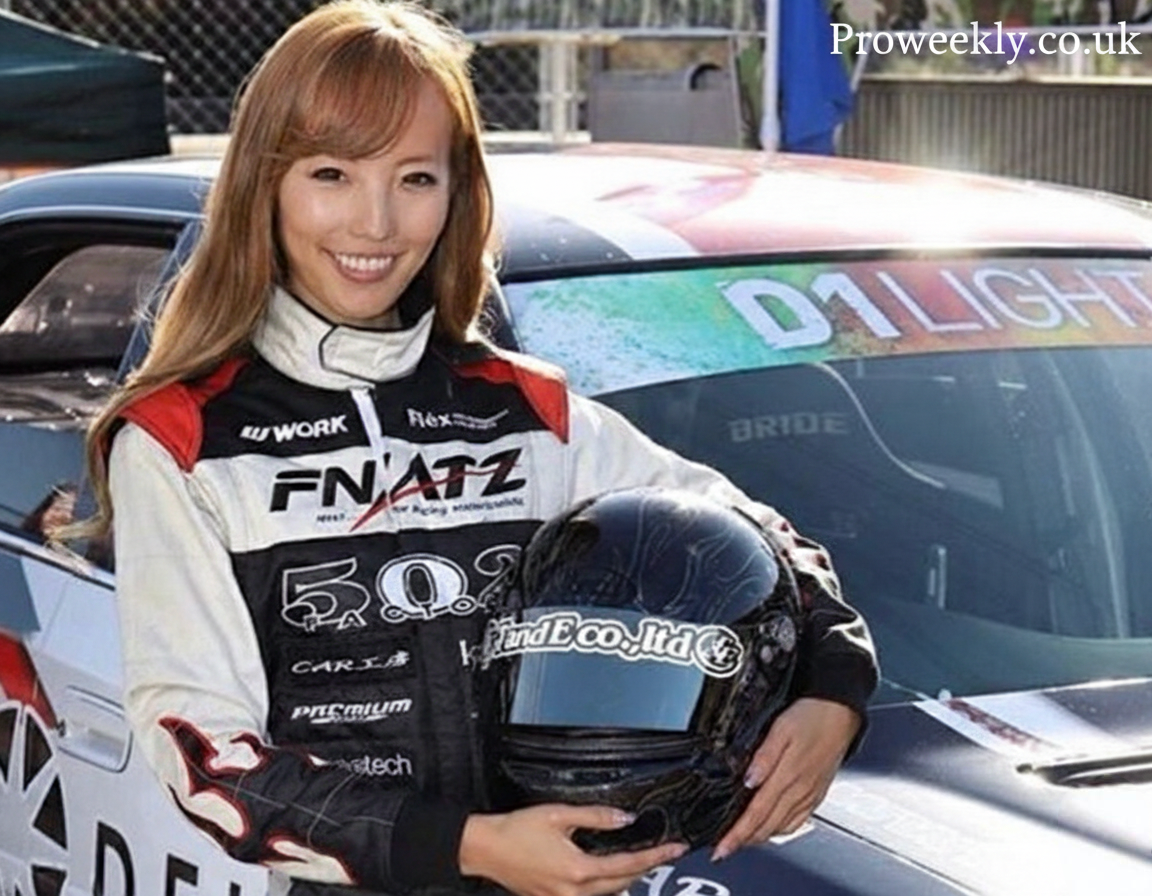
For decades, motorsport around the world was male-dominated. Japan was no exception. However, change began slowly and steadily. Women started entering competitive racing roles, not just as promotional figures but as professional drivers.
One of the most inspiring figures in Japanese racing history is Michèle Mouton’s influence on global women racers, but Japan’s own standout is Keiko Ihara. Ihara competed internationally and became a symbol of determination in a challenging industry. Her career demonstrated that talent and resilience could overcome long-standing barriers.
Today, the presence of women drivers in various Japanese racing categories is growing. They bring not only skill but also a fresh perspective to the sport. The phrase balap jepang cantik sometimes refers to these talented women who combine competitive intensity with grace and charisma. Yet reducing them to appearance alone would miss the point. Their beauty lies equally in their courage and technical competence.
The narrative is evolving from decorative presence to respected participation. The transformation reflects broader social shifts within Japan, where women increasingly assert their influence in traditionally male-dominated fields.
The Culture of Race Queens
No discussion of balap jepang cantik would be complete without acknowledging the role of race queens. In Japanese motorsports, race queens are promotional models who represent teams and sponsors. Their presence dates back decades and has become a defining feature of racing events.
Unlike many Western promotional models, Japanese race queens often cultivate public personas. Some transition into acting, modeling, or media careers. They are part of a larger entertainment ecosystem that blends motorsport with pop culture.
However, this tradition is not without debate. Critics argue that the role can reinforce outdated gender stereotypes. Supporters counter that many race queens actively choose this career path and leverage it as a stepping stone to broader opportunities.
The reality is nuanced. In recent years, the portrayal of race queens has shifted toward greater professionalism and branding sophistication. The modern image associated with balap jepang cantik is less about objectification and more about polished presentation and cultural spectacle.
Engineering Beauty: Japanese Automotive Excellence
When people admire balap jepang cantik, they often think of iconic cars that shaped global car culture. Vehicles like the Nissan Skyline GT-R and the Toyota Supra are celebrated not only for performance but for their aesthetic appeal.
Japanese engineers approach design with a philosophy rooted in balance. The concept of “kaizen,” or continuous improvement, influences automotive development. This dedication results in machines that are visually cohesive and mechanically refined.
The beauty in Japanese racing is rarely loud for the sake of being loud. It is calculated. Even in the high-energy world of drifting, popularized globally by drivers like Keiichi Tsuchiya, there is an artistry to tire smoke and controlled slides. Drifting itself becomes a performance, almost theatrical in execution.
Thus, balap jepang cantik can also describe the harmony between technical mastery and visual drama.
Media, Pop Culture, and Global Perception
Japanese racing culture has spread far beyond its borders through films, video games, and animation. The manga and anime series Initial D introduced global audiences to mountain pass racing and Japanese car culture. Meanwhile, racing simulators and arcade games helped shape an international appreciation for Japanese automotive aesthetics.
Pop culture amplifies the idea of balap jepang cantik by highlighting stylish drivers, neon-lit street scenes, and carefully modified vehicles. The imagery often blends urban sophistication with mechanical intensity.
International car enthusiasts frequently travel to Japan to witness events firsthand. They discover that the reality is more disciplined and structured than cinematic portrayals suggest. The glamour exists, but it is grounded in meticulous organization and respect for safety regulations.
Social Evolution and Changing Narratives
In contemporary Japan, discussions about gender roles and representation are more visible than ever. Motorsport is gradually reflecting these conversations. More female engineers, mechanics, and team managers are entering the field.
The meaning of balap jepang cantik is shifting accordingly. It is no longer confined to outward appearance. It increasingly symbolizes competence, independence, and the merging of elegance with authority.
Racing organizations have started implementing programs to support diversity and youth participation. Educational partnerships encourage young women to pursue careers in automotive engineering. This institutional support signals a deeper transformation within the industry.
Economic Impact and Industry Influence
Motorsport in Japan contributes significantly to the national automotive industry. Manufacturers test new technologies under competitive conditions, later adapting them for consumer vehicles. Hybrid systems, aerodynamic refinements, and lightweight materials often debut in racing environments.
The aesthetic dimension associated with balap jepang cantik also influences marketing strategies. Car launches frequently emphasize sleek design alongside technical specifications. Japanese brands understand that emotional appeal drives consumer loyalty just as much as horsepower figures do.
Tourism linked to major racing events brings international visitors to circuits like Suzuka. Hotels, local businesses, and transportation networks benefit from race weekends. Thus, the culture surrounding Japanese racing extends beyond entertainment into measurable economic activity.
Conclusion
Balap jepang cantik is more than a catchy phrase. It encapsulates a multidimensional reality where speed meets artistry, where tradition intersects with modernization, and where beauty extends beyond physical appearance into design philosophy and personal determination.
Japanese motorsport culture has carved out a distinctive identity rooted in discipline, innovation, and aesthetic sensitivity. From iconic cars and legendary circuits to pioneering women drivers and evolving cultural narratives, the story is layered and compelling.
As Japan continues to redefine its motorsport landscape, the meaning of balap jepang cantik will likely expand further. It will represent not only the visual elegance of racing but also the strength, intelligence, and creativity that fuel it. In that balance between grace and power lies the true beauty of Japanese racing.
FAQs
What does balap jepang cantik mean in simple terms?
Balap jepang cantik generally refers to the beautiful and stylish aspects of Japanese racing culture, including elegant race cars, skilled female drivers, and the polished atmosphere of motorsport events in Japan.
Are there many female professional racers in Japan?
Yes, the number of female racers in Japan has been gradually increasing. Drivers like Keiko Ihara paved the way, and today more women participate in competitive racing categories and related automotive careers.
Why are Japanese race cars considered visually appealing?
Japanese race cars are admired for their balanced design philosophy. Engineers focus on both performance and aesthetics, creating vehicles that look refined while delivering exceptional speed and control.
What role do race queens play in Japanese motorsport?
Race queens serve as promotional ambassadors for racing teams and sponsors. Over time, their role has evolved to emphasize professionalism, branding, and media engagement rather than simple visual appeal.
How has pop culture influenced global interest in Japanese racing?
Anime, manga, and video games have introduced international audiences to Japanese racing culture. Series like Initial D helped popularize the visual style and technical depth associated with Japanese motorsports worldwide.
READ MORE: jeremy giambi net worth The Story Behind His Wealth & Legacy
Introduction
Football has always been more than tactics, trophies, and transfer windows. It is emotion, identity, and collective memory woven into ninety minutes of weekly drama. In the digital age, that emotion often crystallizes into a single word or phrase that spreads like wildfire across social platforms. One such phrase is levapioli. What began as a hashtag quickly evolved into a symbol of frustration, debate, loyalty, and division within one of Europe’s most historic clubs.
The story behind levapioli is not simply about dissatisfaction with a coach. It reflects a broader tension in modern football: the clash between long-term vision and immediate results, between statistical progress and emotional perception, between faith and impatience. To understand levapioli is to understand how football culture has transformed in the era of constant commentary and instant reaction.
What Is levapioli
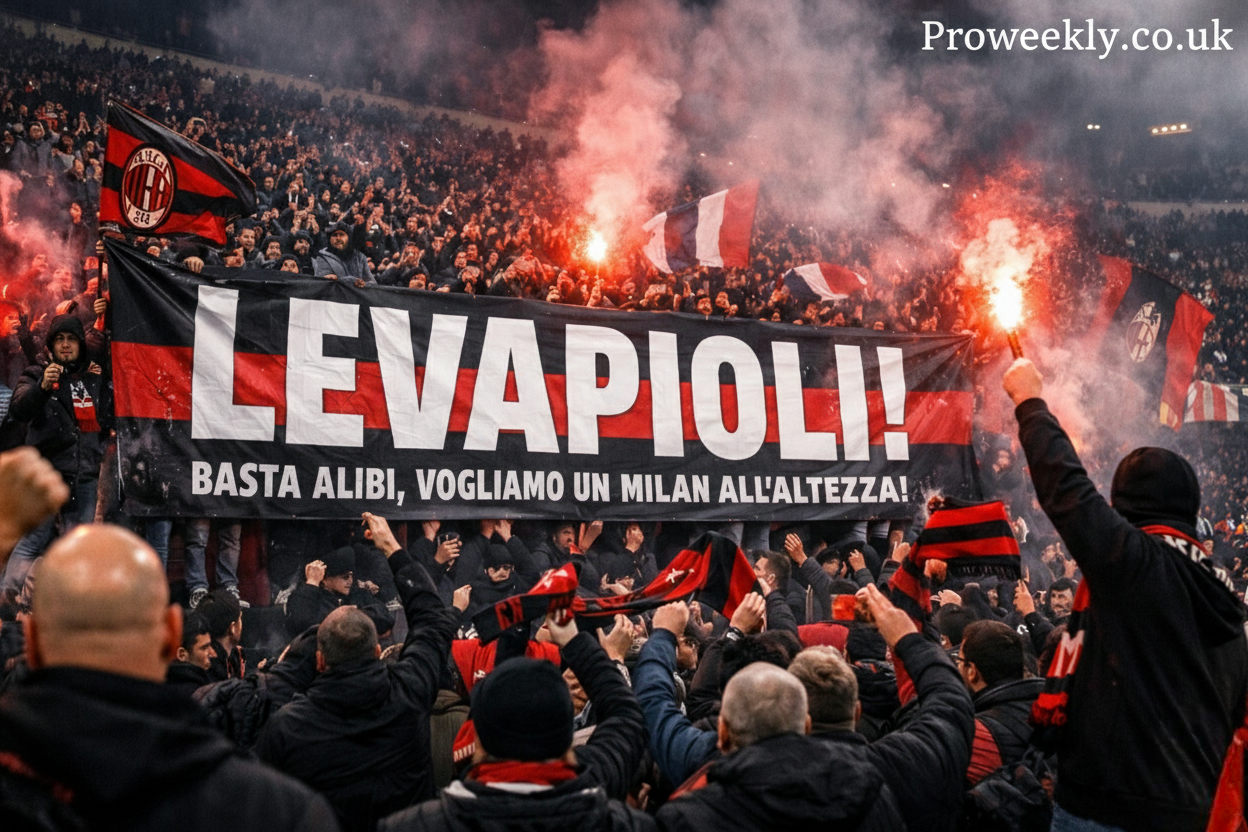
At its core, levapioli is an Italian phrase meaning “remove Pioli,” directed at head coach Stefano Pioli during his tenure at AC Milan. The term gained traction online as supporters voiced dissatisfaction with team performances, tactical decisions, and perceived stagnation.
Unlike traditional stadium protests, levapioli was largely born in the digital arena. It surged after disappointing results, particularly in crucial matches, and trended heavily during periods when expectations clashed with outcomes. The phrase represented a segment of the fanbase demanding change at the managerial level, arguing that the club needed new direction to remain competitive domestically and in Europe.
However, levapioli was never a unanimous cry. It sparked intense debate among supporters who defended Pioli’s contributions, including delivering a league title in Serie A and guiding a young squad through rebuilding years. In this way, the term became more than a hashtag; it became a fault line within the fan community.
The Context Behind the Movement
To grasp why levapioli resonated so strongly, it is essential to consider the environment in which it emerged. AC Milan had endured years of instability prior to Pioli’s arrival. Ownership changes, inconsistent recruitment strategies, and managerial turnover left the club struggling to reclaim its former European dominance.
When Pioli took charge, expectations were cautious rather than grand. Yet over time, the team developed cohesion, rediscovered identity, and ultimately captured the Serie A title after more than a decade. That triumph elevated standards dramatically. Success recalibrates memory. What once seemed like progress became the baseline.
The levapioli movement gained momentum not during total collapse, but during moments when progress appeared to stall. A run of uninspired performances, tactical rigidity against stronger European sides, and perceived predictability in big matches fueled doubts. In modern football culture, patience is rare. Success must not only be achieved; it must be sustained continuously.
Tactical Frustrations and Perception Gaps
A significant driver behind levapioli was tactical dissatisfaction. Critics argued that Pioli’s system became too reliant on individual brilliance rather than structural fluidity. Injuries exposed depth limitations, and when performances dipped, the team’s shape appeared rigid rather than adaptive.
Football supporters today are more analytically aware than ever. They discuss pressing structures, midfield rotations, and expected goals metrics with sophistication. This awareness intensifies scrutiny. Every substitution is dissected. Every formation tweak becomes a talking point. Under such conditions, managerial decisions are rarely viewed in isolation.
Yet there was a perception gap. While critics focused on visible flaws, defenders highlighted contextual factors: financial limitations compared to wealthier rivals, youth within the squad, and transitional rebuilding. Levapioli thus represented a broader debate about what constitutes acceptable performance in a competitive league.
The Digital Amplification Effect
In previous decades, dissatisfaction would manifest through banners in the stands or radio call-ins. Today, social media algorithms amplify outrage at unprecedented speed. Levapioli spread rapidly because digital platforms reward emotional intensity.
Hashtags create echo chambers. Once levapioli began trending, it attracted both genuine critics and opportunistic commentators seeking visibility. A single disappointing match could trigger thousands of posts within minutes, creating the impression of overwhelming consensus even when opinions were divided.
This amplification effect changes the psychology of fandom. Club executives cannot ignore trending narratives, even if they represent only a fraction of the fanbase. Public perception begins to influence strategic decision-making. The digital stadium becomes as loud as the physical one.
Loyalty Versus Ambition
One of the most fascinating dimensions of levapioli was the moral tension it created among supporters. On one hand, Pioli delivered tangible success. He restored belief and competitive credibility. On the other hand, football’s elite landscape demands relentless evolution.
Supporters who rejected levapioli argued that dismissing a coach after setbacks disregards the long-term project. They believed stability was crucial to sustainable growth. Conversely, advocates of the hashtag insisted that emotional gratitude should not obstruct ambition. For them, gratitude and progress are separate issues.
This tension is common in modern clubs attempting to bridge eras. Fans crave both loyalty and dominance. When results fluctuate, these desires collide. Levapioli was less about personal animosity and more about a philosophical divide regarding how progress should be measured.
Media Narratives and Pressure Cycles
Italian sports media operates within an intense commentary ecosystem. Talk shows dissect managerial decisions nightly, and newspapers frame narratives with dramatic flair. As levapioli gained traction, media outlets began referencing it as a barometer of fan sentiment.
This created a feedback loop. Coverage of the hashtag validated its importance, which in turn encouraged further online engagement. Pressure cycles accelerated. Each press conference became an implicit response to the movement, even if not addressed directly.
For managers, such environments demand psychological resilience. Public doubt can seep into dressing rooms if not managed carefully. The levapioli discourse highlighted how modern coaches must navigate not only tactical challenges but also digital reputation management.
Performance Metrics Versus Emotional Reality
Another dimension worth examining is the difference between statistical indicators and emotional perception. During some periods when levapioli trended heavily, underlying performance metrics did not suggest total collapse. The team maintained competitive defensive records and respectable possession statistics.
However, football is not consumed solely through numbers. Emotional reality often outweighs data. A narrow defeat in a high-profile match can feel catastrophic regardless of long-term trends. Supporters interpret games through narrative lenses shaped by history and expectation.
Levapioli thrived in moments when emotional disappointment overshadowed contextual nuance. It illustrates how modern football discourse blends analytics with instinctive reaction, sometimes uneasily.
The Psychological Weight on Leadership
Managing a club of AC Milan’s stature carries inherent pressure. Add a viral movement like levapioli, and the psychological stakes intensify. Leadership in such circumstances demands calmness under scrutiny and consistent internal communication.
From a broader perspective, the episode underscores how managerial roles have evolved. Coaches are no longer insulated by boardroom walls. They operate under public review 24 hours a day. Digital campaigns can accelerate uncertainty even if institutional support remains intact.
Whether justified or premature, levapioli demonstrated how quickly public sentiment can shift. In elite sport, security is fragile, often measured game by game.
Lessons About Modern Fan Culture
Perhaps the most enduring insight from levapioli lies in what it reveals about contemporary fandom. Supporters are more connected, informed, and vocal than ever before. They form digital coalitions, coordinate narratives, and shape discourse collectively.
Yet this connectivity can fragment communities. The movement sparked heated internal debates, sometimes overshadowing shared identity. It showed that passion can unify and divide simultaneously.
Football remains a communal ritual, but digital platforms individualize reaction. Levapioli was not just a demand for managerial change; it was a case study in how collective emotion manifests in the twenty-first century.
The Broader Implications for Clubs
Clubs observing the levapioli episode can draw important conclusions. Transparent communication becomes vital during periods of unrest. Clear articulation of long-term strategy can mitigate reactionary narratives. Ignoring online discourse entirely may be unrealistic, yet overreacting to it can undermine stability.
Modern institutions must balance responsiveness with conviction. Not every trending phrase reflects structural crisis. At the same time, persistent dissatisfaction signals deeper disconnects that cannot be dismissed lightly.
The phenomenon highlights how governance in football increasingly intersects with public relations strategy. Managing perception is now inseparable from managing performance.
Conclusion
Levapioli began as a simple phrase but evolved into a symbol of modern football’s emotional volatility. It represented frustration, ambition, impatience, and love for a club striving to reclaim sustained greatness. Whether one viewed it as justified criticism or premature reaction, it undeniably captured a moment in the evolving relationship between supporters and leadership.
More than a call for change, levapioli illustrated how digital culture reshapes the rhythm of football debate. It showed that in today’s game, narratives travel faster than results and perception can rival performance in influence. Ultimately, the episode reminds us that football’s beauty lies not only in victories but in the passionate conversations that surround them.
FAQs
What does levapioli mean in English?
Levapioli translates from Italian as “remove Pioli,” referring to calls from some supporters to dismiss coach Stefano Pioli.
Why did levapioli trend online?
The phrase gained momentum during periods of disappointing results and tactical frustration, especially after high-stakes matches where expectations were not met.
Was levapioli supported by all AC Milan fans?
No, the movement divided the fanbase. Many supporters defended Pioli’s achievements and emphasized the importance of stability.
Did levapioli directly influence club decisions?
While online movements can increase pressure, managerial decisions depend on multiple factors including performance, finances, and long-term strategy.
What does levapioli reveal about modern football culture?
It highlights how digital platforms amplify fan sentiment, accelerate pressure cycles, and shape public narratives around managers and clubs.
READ MORE: pomerusky: The Tiny Husky With a Wild Arctic Soul DNA

Mobilesrus: Inside the Modern Mobile Marketplace and Why It Matters

Elaine Starchuk: Fame, Privacy, and Reinvention

heidi van pelt: A Life Beyond Fame and Controversy Story Arc

هنتاوي com: The Ultimate Arabic Anime & Entertainment Platform

Elizabeth Fraley Kinder Ready Court Case Uncovered

Inside the Truth About gina carano husband
-

 Blogs1 week ago
cavazaque: The Rise, Identity, and Untold Legacy
-

 Celebrity1 week ago
dallas yocum: The Untold Story of a Private Life Revealed!!!
-

 Tech1 week ago
Gelboodu: Inside the Global Anime Imageboard and Creative Hub
-

 Tech1 week ago
Zavalio com: Exploring the Rising Digital Content Hub of 2026
-
 Celebrity1 week ago
heidi van pelt: A Life Beyond Fame and Controversy Story Arc
-
 Tech1 week ago
Mobilesrus: Inside the Modern Mobile Marketplace and Why It Matters
-

 Culture1 week ago
Valplekar: The Hidden Tapestry of Heritage and Modern Meaning
-

 Celebrity1 week ago
vivian ridge: The Untold Story Behind Bob Ross and HerLegacy