
Celebrity
julianna farrait: Love, Crime, and Loyalty Behind an Empire

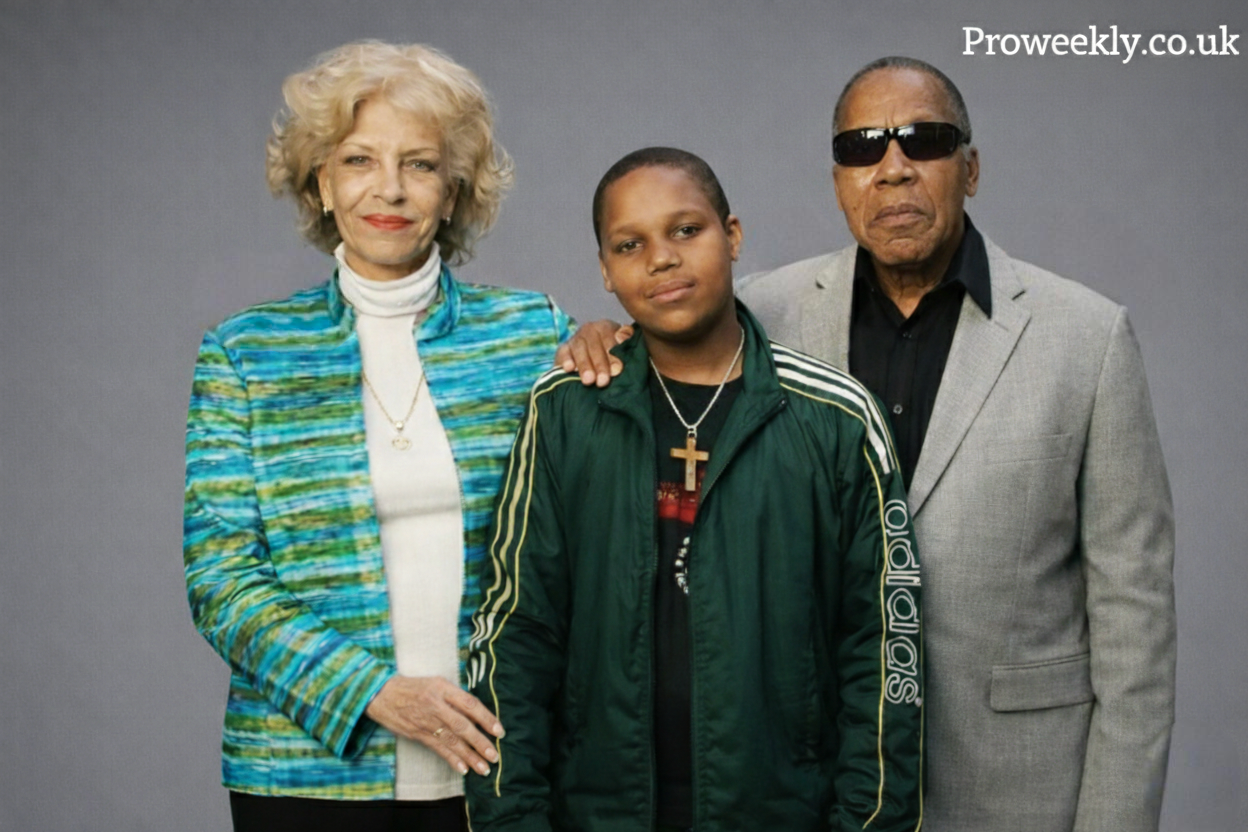
In the shadowy margins of America’s narcotics underworld, where fortunes were built in silence and collapsed in sirens, one woman’s name has lingered with unusual persistence. julianna farrait was never the architect of an empire, yet her life became inseparable from one. Known widely as the wife of the infamous Harlem drug kingpin Frank Lucas, she lived through staggering wealth, federal prosecutions, prison sentences, and public scrutiny that stretched across decades. Her story is not merely a footnote in crime history; it is a portrait of loyalty, controversy, privilege, downfall, and survival. To understand her life is to step into a turbulent era in American history when organized drug trafficking reshaped entire communities and left indelible scars.
Early Life and Background
julianna farrait was born in 1941 in Puerto Rico. Verified public records confirm her Puerto Rican heritage, though detailed documentation regarding her parents’ names, siblings, and early domestic life remains limited due to her private upbringing and later notoriety overshadowing her early biography. She spent her formative years on the island during a period when many Puerto Rican families were navigating economic transition and increasing migration to the mainland United States.
Farrait grew up in a modest household, typical of working-class Puerto Rican families of that era. While precise school names and educational institutions have not been publicly documented in court or biographical records, it is known that she completed her early education in Puerto Rico before eventually relocating to the continental United States as a young woman. Like many migrants seeking broader opportunity, she arrived during a time when New York City was experiencing significant demographic and cultural shifts.
Her early life was not marked by public scandal or criminal associations. By most accounts, julianna farrait was known in her youth for her beauty and poise. Those qualities would later attract attention far beyond what she could have imagined. Her migration set the stage for a life intertwined with power, money, and danger.
Meeting Frank Lucas and Entering a New World
The trajectory of julianna farrait’s life changed dramatically when she met Frank Lucas in the late 1960s. Lucas, who operated primarily in Harlem, was rapidly expanding what would become one of the most notorious heroin distribution networks in American history. By the time their relationship solidified, Lucas had begun bypassing traditional Mafia-controlled channels and was importing heroin directly from Southeast Asia, allegedly through connections formed during the Vietnam War era.
Farrait and Lucas married and settled into a life that outwardly reflected enormous success. They lived in lavish homes, wore expensive clothing, and traveled extensively. During the height of Lucas’s operations, the couple resided in New York City, where their displays of wealth drew both admiration and suspicion. Julianna became known for her elegance and for wearing costly mink coats and jewelry at a time when conspicuous luxury in Harlem stood out sharply against widespread poverty.
Yet behind the opulence lay increasing scrutiny. Law enforcement agencies in the United States were intensifying their focus on large-scale narcotics operations. As Lucas’s empire grew, so did the risks attached to everyone in his orbit—including his wife.
Life at the Height of the Empire
By the early 1970s, Frank Lucas was reportedly generating millions of dollars annually from heroin distribution. julianna farrait was living a life that many could scarcely imagine. The couple owned multiple properties and vehicles, and their social circle included individuals from both legitimate business spheres and the criminal underworld.
Farrait’s presence was often described as regal. She accompanied Lucas to high-profile events, including a now-famous boxing match in 1971 between Joe Frazier and Muhammad Ali at Madison Square Garden. It was there that Lucas’s ostentatious attire reportedly drew unwanted attention from rival crime figures and law enforcement alike. Although julianna farrait was not identified as an operational participant in the narcotics network at that time, her proximity to the business placed her under eventual investigation.
The atmosphere of the early 1970s in Harlem was volatile. Drug addiction was ravaging communities, and federal authorities were under pressure to dismantle the networks responsible. As indictments loomed, Farrait’s life of luxury began to unravel.
Arrest, Conviction, and Prison Sentence
In 1975, Frank Lucas was arrested and later convicted on federal drug charges. He received a lengthy prison sentence. Not long after, julianna farrait was also arrested for her involvement in financial transactions connected to the drug proceeds. Authorities alleged that she had participated in handling and concealing substantial sums of money.
She was convicted and sentenced to prison. While specific sentencing details varied across reports, she served more than four years behind bars. For a woman who had once moved through elite circles draped in fur and diamonds, incarceration marked a jarring reversal of fortune.
The prison years forced a reckoning. Financial assets were seized, properties were lost, and the family structure endured enormous strain. julianna farrait faced not only legal consequences but the emotional toll of seeing her husband imprisoned and her family name publicly tied to one of America’s largest narcotics cases.
Cooperation and Reduced Sentences
Frank Lucas later agreed to cooperate with federal authorities, providing information that led to reduced sentences for himself and potentially eased circumstances for those associated with him. His cooperation reportedly helped dismantle corrupt officials and rival networks. The legal strategy reshaped public perception of the case, casting Lucas as both criminal mastermind and government informant.
During this period, julianna farrait remained largely out of public interviews. Her silence contributed to an aura of mystery around her role. Was she fully aware of the scope of the empire? Was she complicit, or simply loyal? Court documents established her participation in money-related offenses, but broader speculation often outpaced verified facts.
After serving her sentence, she reunited with Lucas. For a time, it appeared that the couple was attempting to rebuild a quieter life.
A Return to Legal Trouble
In 2010, long after many believed the Lucas chapter had closed, julianna farrait once again found herself entangled in a federal narcotics case. Authorities arrested her in Puerto Rico on charges related to attempting to sell cocaine. According to federal prosecutors, she was involved in a transaction involving several kilograms of the drug.
This arrest stunned observers who assumed the lessons of the 1970s had permanently altered her course. By then in her late sixties, Farrait faced serious legal jeopardy once again. She ultimately pleaded guilty and received a prison sentence of several years. The case demonstrated how deeply entrenched patterns and associations can persist across decades.
The reemergence of julianna farrait in criminal proceedings reignited public interest in her life story. Media outlets revisited her past, often referencing the cultural resurgence sparked by Hollywood.
Cultural Portrayal and Public Perception
The 2007 film American Gangster, directed by Ridley Scott and starring Denzel Washington as Frank Lucas, brought the saga to a global audience. In the film, julianna farrait was portrayed by actress Lymari Nadal. The dramatization amplified public fascination with her life.
However, like many Hollywood adaptations, the film blended fact with narrative embellishment. Farrait herself was not deeply involved in shaping the screenplay, and some elements of her depiction were stylized for cinematic effect. Nevertheless, the movie revived discussion about her role, her loyalty, and the human dimensions behind the criminal enterprise.
Public perception of julianna farrait has oscillated between sympathy and condemnation. Some view her as a devoted wife caught in a dangerous orbit. Others see her as an active participant who benefited from and later returned to illegal activities. The truth, as often happens in complex criminal histories, likely resides somewhere between extremes.
Personal Life and Family
julianna farrait and Frank Lucas had several children together. The family endured repeated upheaval due to arrests and incarcerations. Their son, Frank Lucas Jr., has occasionally spoken publicly about the impact of his parents’ criminal lives on the family. The children were forced to reconcile privilege with stigma, wealth with sudden instability.
Marriage under such extraordinary strain is rarely simple. Yet despite prison sentences and financial collapse, Farrait and Lucas remained connected for decades. Their relationship was marked by resilience, controversy, and shared history. When Frank Lucas died in 2019 at the age of 88, Farrait had already served her later sentence and maintained a relatively low profile.
Her life reflects the complicated dynamics of loyalty. To some, she embodied unwavering devotion. To others, that devotion crossed ethical lines. Regardless of interpretation, her marriage shaped every major chapter of her adulthood.
Financial Rise and Fall
At the height of the drug empire, estimates suggested that Lucas controlled operations worth tens of millions of dollars. While precise figures fluctuated and were sometimes exaggerated in media accounts, the scale of the enterprise was undeniably vast. julianna farrait experienced the privileges that came with that wealth: luxury real estate, designer clothing, expensive cars, and elite social access.
After federal seizures and convictions, much of that wealth disappeared. Asset forfeiture laws stripped properties and bank accounts. Later legal troubles further diminished any remaining financial stability. Unlike some figures who successfully transition to legitimate ventures after incarceration, Farrait’s public record does not indicate substantial business enterprises or reinvention efforts.
Her financial story underscores a broader truth about illicit empires: they can generate staggering short-term gains, but sustainability is rare when law enforcement scrutiny intensifies.
Later Years and Legacy
In recent years, julianna farrait has lived largely outside the spotlight. Age, legal consequences, and shifting public attention have all contributed to a quieter existence. Yet her name remains linked to one of the most famous drug trafficking cases in American history.
Her legacy is complicated. She was not the strategic mastermind of an international heroin network. Nor was she a completely detached bystander. She existed in the gray space between influence and proximity, loyalty and complicity. Historians examining the narcotics crisis of the 1970s often mention her as part of the broader narrative that reshaped Harlem and beyond.
The life of julianna farrait serves as a lens through which to examine themes of ambition, love, power, and consequence. It also reflects the broader story of immigrant aspiration intersecting with the temptations and perils of rapid wealth.
Conclusion
The biography of julianna farrait is not a simple tale of glamour or crime. It is a layered narrative shaped by migration, marriage, loyalty, wealth, prosecution, and resilience. She moved from Puerto Rico to New York, from modest beginnings to extraordinary affluence, from luxury to incarceration, and back again into public scrutiny decades later. Her story forces difficult questions about responsibility, partnership, and the human cost of illegal empires. Whether viewed through a moral, social, or historical lens, her life remains a compelling chapter in America’s ongoing reckoning with the drug trade and its far-reaching consequences.
FAQs
What is julianna farrait best known for?
julianna farrait is best known as the wife of Harlem drug kingpin Frank Lucas and for her own convictions related to drug trafficking and financial crimes connected to his narcotics empire.
Where was julianna farrait born?
She was born in 1941 in Puerto Rico. She later moved to New York City, where she met Frank Lucas and became part of his high-profile lifestyle.
Did julianna farrait serve time in prison?
Yes, she served multiple prison sentences. She was convicted in the 1970s for financial crimes linked to drug proceeds and later pleaded guilty to cocaine-related charges in 2010.
How was she portrayed in American Gangster?
In the 2007 film American Gangster, she was portrayed by actress Lymari Nadal. The film dramatized her life, emphasizing loyalty and luxury but simplifying complex legal realities.
What happened to julianna farrait after Frank Lucas died?
After Frank Lucas passed away in 2019, she remained largely out of the public spotlight. There have been no widely reported new legal cases involving her since completing her later sentence.
READ MORE: Inside the Truth About gina carano husband
Introduction
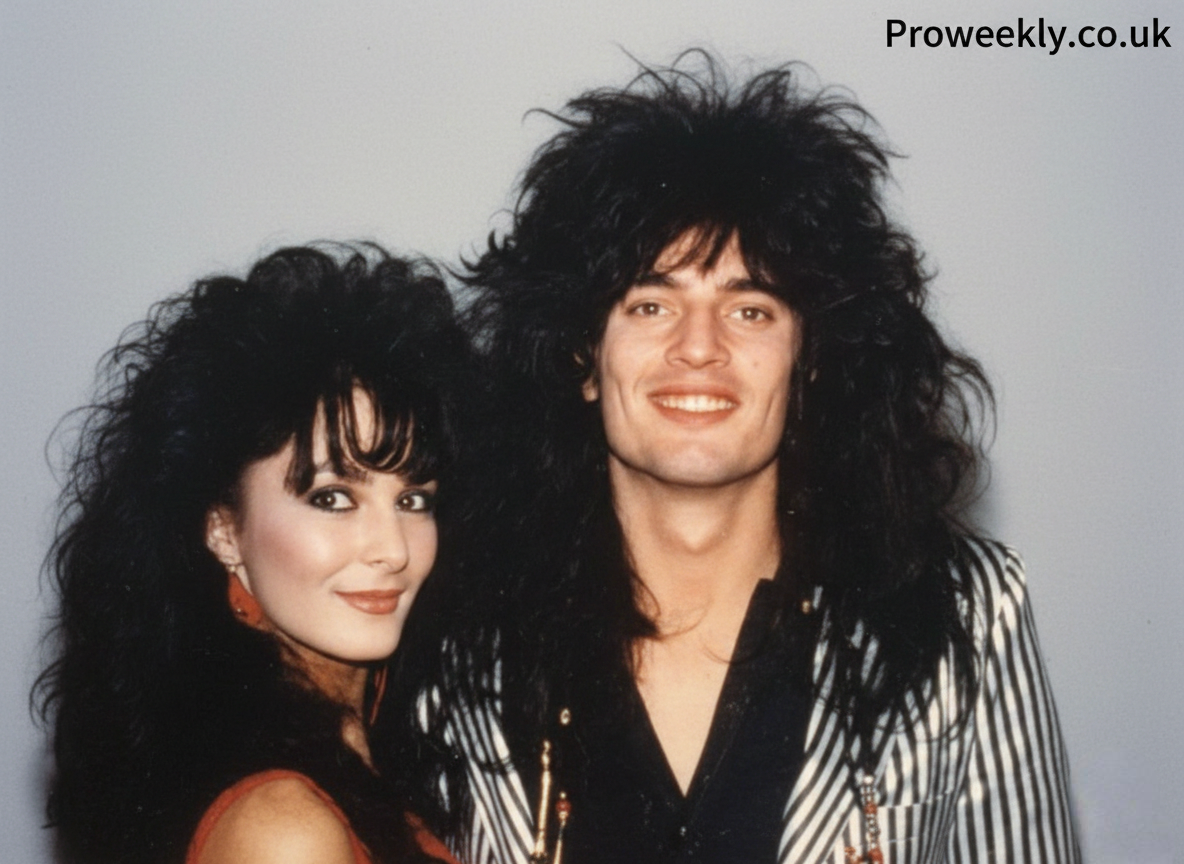
The name elaine starchuk often surfaces in conversations about celebrity marriages of the 1980s, particularly because of her brief union with rock icon Tommy Lee. Yet reducing her identity to a short-lived marriage would be both unfair and historically incomplete. Elaine Starchuk’s story is not simply about proximity to fame. It is about navigating public attention in a decade obsessed with glamour, carving out a career in beauty and modeling, and later choosing a quieter life away from headlines.
While many individuals who brush against celebrity culture fade into obscurity or remain permanently defined by it, elaine starchuk represents something different. Her life reflects the tension between private identity and public narrative. In a world where tabloids often dominate perception, her journey demonstrates resilience, reinvention, and a deliberate retreat from spectacle.
This article explores her early life, career path, personal experiences, and the cultural environment that shaped her. It also addresses the misconceptions that often surround her name and offers a fuller understanding of who she is beyond a single chapter of her life.
Early Life and Background
Elaine Starchuk was born in Canada, and like many young women growing up during the late 1970s and early 1980s, she was drawn to fashion, beauty, and creative expression. The era was vibrant and visually bold. Music videos were becoming cultural currency, modeling was transforming into a pathway to recognition, and the beauty industry was expanding rapidly.
Long before her name appeared in entertainment news, elaine starchuk had already been building her own professional direction. She was not thrust into visibility overnight. Instead, she followed a steady path shaped by ambition and aesthetic sensibility. Her early years were rooted in the Canadian modeling scene, where she began to develop both confidence and industry awareness.
This foundation would later prove essential. The modeling and beauty industries are competitive, and survival requires discipline, adaptability, and personal branding long before that term became widely used.
Modeling Career and Entry into the Glamour World
The 1980s were defined by dramatic silhouettes, heavy makeup, teased hair, and unapologetic glamor. It was within this aesthetic landscape that elaine starchuk pursued modeling opportunities. She worked within the glamour niche, a segment of modeling that required not only physical presence but also performance skills and comfort in front of the camera.
Unlike runway fashion modeling, glamour modeling demanded personality projection. It required the ability to communicate allure, confidence, and visual storytelling in a single frame. Those who succeeded in this field understood lighting, posture, and emotional nuance. Elaine Starchuk developed those skills during a period when print media still held immense influence.
Her work connected her to broader entertainment circles, particularly in cities that served as hubs for music and nightlife culture. These professional environments often overlapped with rock musicians, producers, and photographers. It was within this social and professional intersection that she would eventually meet a rising rock star.
Relationship with Tommy Lee
Elaine Starchuk became widely known after her marriage to Tommy Lee, drummer of Mötley Crüe. At the time, the band was gaining enormous traction in the heavy metal and glam rock scene. Their image was rebellious, flamboyant, and intentionally provocative. Fame surrounded them, and scrutiny followed closely behind.
The marriage between elaine starchuk and Tommy Lee took place in 1984. However, it was extremely brief, reportedly lasting only a matter of days. Despite its short duration, the union became a permanent footnote in rock history, largely because of Tommy Lee’s later high-profile relationships and marriages.
It is important to understand the cultural climate of that period. The 1980s rock scene thrived on excess, speed, and impulsive decisions. Marriages happened quickly and often dissolved just as fast. Media outlets were eager for sensational headlines. A short-lived marriage between a glamour model and a rising rock musician fit perfectly into that narrative.
However, elaine starchuk did not publicly capitalize on the relationship. Unlike many individuals who remain in the spotlight by revisiting past romances, she largely refrained from prolonged media engagement about it. This decision shaped how her story evolved. Rather than building an identity anchored to celebrity association, she gradually stepped away from that narrative.
Life After the Spotlight
The most compelling chapter of elaine starchuk’s life may not be her marriage but what followed it. After experiencing sudden visibility, she chose not to remain immersed in the celebrity circuit. Instead, she focused on professional reinvention.
She transitioned into the beauty industry, opening and operating a salon in Canada. This move was more than a career change; it was a reclamation of autonomy. The beauty business allowed her to combine creativity, entrepreneurship, and direct client relationships. It grounded her life in tangible service rather than public speculation.
Running a salon requires operational discipline, financial planning, marketing instincts, and customer trust. It is far from glamorous in the tabloid sense. Yet it provides stability and independence. By shifting into this industry, elaine starchuk demonstrated a pragmatic understanding of long-term sustainability.
Her decision also reflects a broader truth about celebrity-adjacent figures. Public attention can be fleeting and often comes with emotional cost. Building a private enterprise, in contrast, offers continuity and control.
Media Narratives and Public Perception
For many years, online searches for elaine starchuk returned limited information, most of it tied directly to her brief marriage. This illustrates how public memory often compresses complex individuals into single events.
In the age of digital archives, stories can be both preserved and distorted. When biographical details are scarce, speculation tends to fill the gaps. However, reliable accounts consistently describe elaine starchuk as someone who valued privacy and avoided prolonged public exposure.
This is significant because it counters the assumption that everyone connected to a celebrity seeks publicity. In fact, her post-marriage life shows a pattern of withdrawal rather than pursuit of media attention.
The narrative surrounding her name is often incomplete because she chose not to perform for public consumption. In an era where visibility is frequently equated with success, her quiet lifestyle stands in contrast.
Personal Challenges and Resilience
Public records indicate that elaine starchuk experienced health challenges later in life, including cosmetic procedures that led to medical complications. These experiences reportedly required extensive corrective treatment and recovery. Such events are rarely easy to navigate, especially when one’s earlier career involved appearance-focused industries.
The psychological dimension of this cannot be overlooked. For someone whose early professional life revolved around visual presentation, medical complications affecting appearance can be emotionally taxing. Yet her response appears to have been characterized by perseverance rather than public complaint.
These lesser-known aspects of her life reveal strength that is not always visible in brief celebrity summaries. They remind us that behind headlines are human beings dealing with real consequences and recovery.
The Cultural Context of the 1980s Glam Era
To fully understand elaine starchuk, it helps to examine the era that shaped her early adulthood. The 1980s glam rock movement was not merely about music. It was about spectacle. Fashion was exaggerated, stage presence theatrical, and personal lives often lived publicly.
Mötley Crüe embodied that spirit. Their rise coincided with MTV’s expansion, turning musicians into visual icons. Those connected to them were inevitably pulled into that glare.
Women in the modeling and glamour industries during this period navigated a complicated landscape. They were celebrated for beauty but often dismissed intellectually. Opportunities existed, but long-term stability required foresight.
Elaine starchuk emerged from this environment with a sense of direction that allowed her to pivot when necessary. She did not attempt to outshine rock stardom or compete with media theatrics. Instead, she quietly built a separate path.
Identity Beyond Association
One of the central challenges for anyone briefly linked to a famous figure is maintaining personal identity. The public tends to freeze time at the moment of association. Years pass, careers evolve, personal growth occurs, yet the label remains.
Elaine starchuk’s life demonstrates that identity is not static. Her modeling career, marriage, business ownership, and personal recovery form different chapters rather than a single defining event.
It is also worth noting that her story contributes to a broader conversation about how women connected to male celebrities are remembered. Often, their professional achievements receive minimal coverage compared to romantic ties. Revisiting her biography with depth helps correct that imbalance.
A Deliberate Retreat from Celebrity Culture
Unlike many individuals who leverage early fame into reality television, memoirs, or recurring interviews, elaine starchuk maintained distance. This choice speaks volumes about personal values.
Celebrity culture rewards visibility. Silence, in contrast, rarely generates headlines. Yet silence can also signal confidence. It suggests a refusal to let external narratives dictate self-worth.
By stepping back, she limited misrepresentation and speculation. While this reduced the volume of public information about her, it preserved dignity and control.
Conclusion
The story of elaine starchuk is more nuanced than a brief marriage to a rock star. It encompasses ambition, visibility, reinvention, and resilience. From her early days in the modeling world to her entrepreneurial pursuits in the beauty industry, she demonstrated adaptability in changing circumstances.
Her life also highlights how quickly public narratives can simplify complex individuals. A marriage lasting days overshadowed years of professional effort and personal development. Yet beyond that moment lies a story of independence and measured choices.
Elaine starchuk represents a generation shaped by glam culture but not confined by it. She experienced the intensity of the 1980s entertainment world and then stepped away, choosing stability over spectacle. In doing so, she crafted a life that may not dominate headlines but carries authenticity and intention.
Understanding her journey requires looking past sensational fragments and acknowledging the full arc of her experiences. When examined carefully, her biography reveals not just a connection to fame, but a story of agency, growth, and quiet strength.
FAQs
What is elaine starchuk best known for?
Elaine starchuk is most widely known for her brief 1984 marriage to Tommy Lee, drummer of Mötley Crüe. However, she also had a career in glamour modeling and later became a beauty entrepreneur.
How long was elaine starchuk married to Tommy Lee?
The marriage reportedly lasted only a few days in 1984 before it was annulled, making it one of the shortest celebrity marriages of that era.
What did elaine starchuk do after her marriage ended?
After the annulment, she stepped away from the spotlight and focused on building a career in the beauty industry, including operating her own salon in Canada.
Is elaine starchuk still involved in entertainment?
There is no substantial evidence that she remained active in entertainment. She chose a more private life centered around business and personal matters.
Why is elaine starchuk not frequently in the media?
Elaine starchuk has largely avoided public interviews and media appearances. Her preference for privacy has limited ongoing coverage, which contributes to the scarcity of detailed public information about her life.
READ MORE: heidi van pelt: A Life Beyond Fame and Controversy Story Arc
Introduction
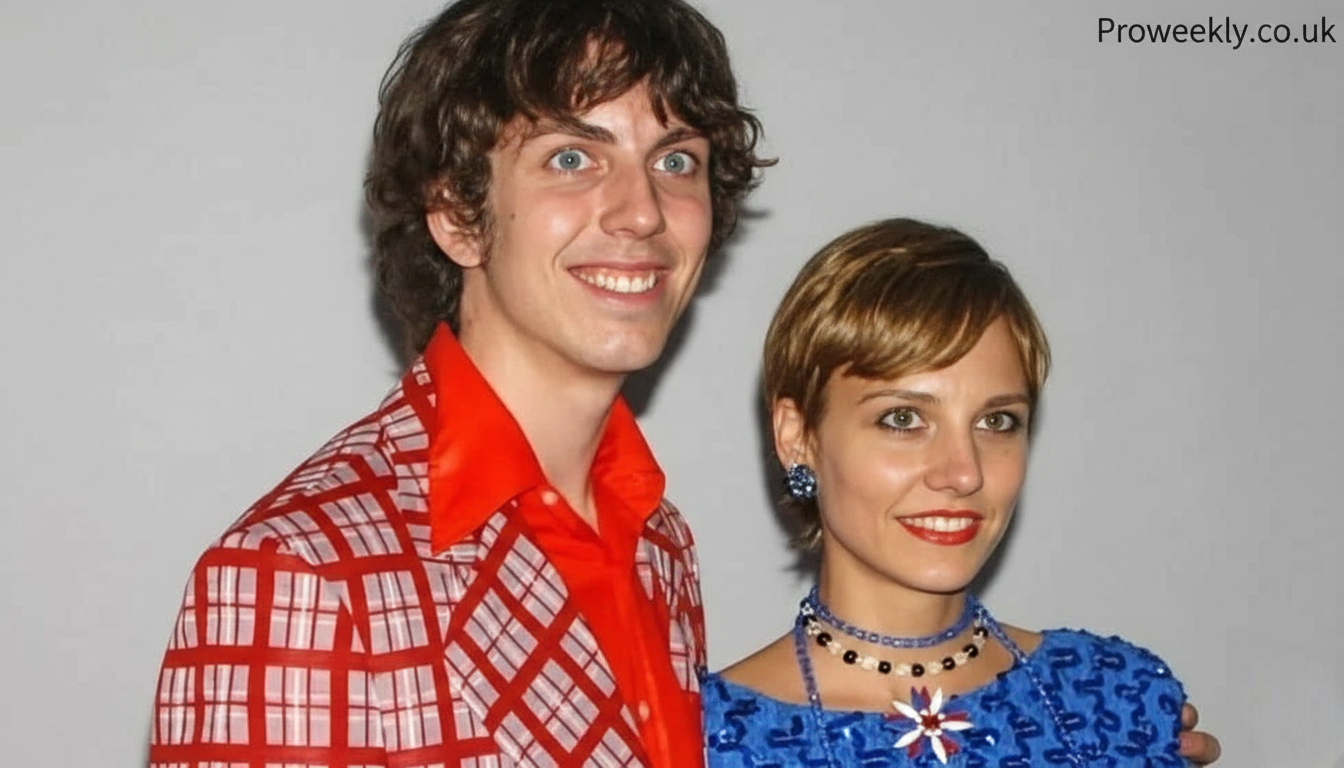
Public memory can be selective, especially when it comes to people who briefly enter the spotlight through unconventional relationships or unexpected media attention. The name heidi van pelt often surfaces in connection with a highly publicized marriage that raised eyebrows in early 2000s Hollywood. Yet reducing her story to that single chapter would be a profound oversimplification. Behind the headlines lies a woman whose life reflects ambition, experimentation, controversy, reinvention, and resilience.
For many, heidi van pelt became a recognizable name after marrying a young television star, but long before and long after that moment, she was navigating her own path. Her life intersects with alternative education, entrepreneurship, vegan activism, media production, and the complex realities of being thrust into public scrutiny. Understanding her story requires looking beyond tabloid framing and examining the deeper motivations and circumstances that shaped her choices.
Early Life and Intellectual Curiosity
Heidi van pelt was born in 1968 in the United States and grew up in a fairly traditional Midwestern environment. From an early age, she demonstrated a strong intellectual curiosity. Those who have followed her story closely often point out that her interests were wide-ranging and unconventional. She was not content with a narrow academic path; instead, she explored different disciplines and institutions.
She attended several colleges, reportedly studying subjects that included philosophy and theology. Her academic journey was not linear, and that in itself reveals something essential about her character. Rather than pursuing a predictable professional track, she gravitated toward ideas, alternative belief systems, and holistic approaches to life. This intellectual restlessness later manifested in her interest in veganism, environmental consciousness, and independent media.
While some critics have portrayed her educational journey as inconsistent, others see it as evidence of a mind searching for purpose. The formative years of heidi van pelt show someone deeply engaged with questions about ethics, spirituality, and lifestyle choices long before she became a public figure.
Hollywood Connection and Public Scrutiny
The most widely known chapter of her life began when she became romantically involved with Taran Noah Smith, best known for playing Mark Taylor on Home Improvement. Their relationship began when he was still very young, and the significant age difference between them quickly became the focus of intense media scrutiny.
When they married in 2001, Smith was just 17 years old, and the controversy surrounding their union dominated entertainment headlines. The public narrative often cast heidi van pelt as a manipulative figure, while Smith was framed as a former child star rebelling against family and fame. The situation was far more complex than the simplified portrayals suggested.
At the time, Smith had been in a legal dispute with his parents over his trust fund and financial management. He sought independence, and heidi van pelt became both a partner and, in some ways, a collaborator in his attempt to carve out an adult identity separate from his childhood celebrity image. Their marriage symbolized, for him, a break from the Hollywood machinery that had shaped his early years.
For her, however, the cost of that visibility was significant. Tabloid culture tends to flatten people into archetypes. In her case, nuance was rarely offered. She was scrutinized, judged, and discussed in sensational tones, often without acknowledgment of her own ambitions or personal philosophy.
Entrepreneurial Ventures and Vegan Advocacy
Beyond the headlines, heidi van pelt and her husband pursued entrepreneurial projects that reflected their shared interest in alternative living. One of their most notable ventures was a vegan and organic food business in California. They were early adopters of plant-based lifestyle advocacy at a time when veganism was not yet mainstream.
Their restaurant venture focused on organic ingredients, environmental sustainability, and community-oriented dining. The project represented more than a business; it was an ideological statement. They aimed to challenge conventional food culture and promote healthier, ethically conscious consumption.
This period of her life highlights an often overlooked aspect of heidi van pelt’s identity. She was not merely attached to a celebrity narrative; she was actively building something grounded in her values. Vegan advocacy in the early 2000s required conviction. The market was smaller, public understanding was limited, and skepticism was widespread. In that context, launching a plant-based enterprise required both courage and belief.
While the business eventually closed, the attempt itself speaks to her willingness to translate personal philosophy into action. It also shows how the couple sought to define themselves beyond Hollywood, emphasizing self-sufficiency and alternative community building.
Media Production and Political Experimentation
Another lesser-known dimension of heidi van pelt’s life involves her interest in media production and political thought. She reportedly explored documentary filmmaking and alternative news programming. These projects were rooted in skepticism toward mainstream narratives and a desire to provide platforms for unconventional viewpoints.
At various points, she expressed libertarian-leaning ideas and a strong interest in government accountability. This ideological engagement, combined with her entrepreneurial spirit, paints a portrait of someone deeply invested in autonomy and systemic critique. Even critics who question her decisions often acknowledge that she possessed a forceful personality and independent drive.
This political experimentation further complicated public perception. When individuals already viewed through a lens of controversy express unconventional beliefs, the reaction can be swift and dismissive. Yet from her perspective, these explorations were consistent with her broader pattern of questioning institutions and advocating self-determination.
Divorce and Personal Reinvention
The marriage between heidi van pelt and Taran Noah Smith ended in divorce in 2007. By then, the media frenzy had cooled, and both individuals were seeking separate paths. Divorce marked a turning point in her public visibility. Without the celebrity connection fueling headlines, she gradually receded from mainstream attention.
Reinvention after public controversy is rarely simple. For someone whose name had been so heavily associated with scandal, rebuilding a quieter, more private life likely required intentional withdrawal from the spotlight. Unlike many figures who attempt to leverage notoriety into reality television or public speaking careers, she chose relative obscurity.
This decision suggests a desire for stability rather than perpetual attention. In a culture that often rewards those who amplify their controversies, stepping back can be a deliberate act of self-preservation. The post-divorce years reflect a woman recalibrating her life away from sensational headlines.
Public Perception and Media Framing
The story of heidi van pelt raises broader questions about media framing and gender dynamics. Age-gap relationships, particularly those involving a younger male celebrity and an older woman, often trigger specific stereotypes. Public discourse tends to scrutinize women in such relationships more harshly, casting them as opportunistic or predatory without fully exploring context.
It is important to acknowledge that the controversy was not without legitimate concerns. The age difference was significant, and the relationship began when Smith was still very young. These facts understandably fueled debate. However, the one-dimensional portrayal of her character overlooked the complexities of individual agency, mutual decision-making, and the pressures faced by former child actors seeking independence.
Media narratives frequently prioritize drama over depth. Once a label is attached to a person, it can be difficult to dislodge. In examining the life of heidi van pelt, it becomes evident that her identity cannot be confined to a single controversial chapter.
Lesser-Known Aspects of Her Personality
Those who encountered her outside the glare of entertainment media have described heidi van pelt as articulate, intellectually engaged, and passionate about her beliefs. She was reportedly deeply interested in nutrition, environmental sustainability, and independent thought. Her conversations often revolved around philosophy and systemic reform rather than celebrity culture.
This contrast between tabloid portrayal and reported personal demeanor illustrates how incomplete public narratives can be. It also demonstrates the psychological toll that misrepresentation can have. When an individual becomes shorthand for scandal, it becomes harder for audiences to imagine their interior complexity.
Even critics who disagree with her choices sometimes concede that she operated from a place of conviction rather than superficial ambition. That distinction matters when evaluating a life that has been publicly dissected.
The Broader Context of Child Stardom
Understanding her story also requires examining the broader environment surrounding child actors. Taran Noah Smith’s legal battle with his parents over trust funds highlighted the vulnerabilities that can accompany early fame. Many former child stars struggle with autonomy, identity formation, and financial control.
Within that context, heidi van pelt’s role in Smith’s life becomes part of a larger narrative about independence and rebellion. Whether one views their marriage as misguided or mutual, it undeniably intersected with his desire to assert control over his adulthood.
This broader lens does not erase controversy, but it does situate events within a more nuanced framework. Public judgment often overlooks systemic pressures and focuses instead on simplified character assessments.
Life After the Spotlight
In recent years, heidi van pelt has largely maintained privacy. Unlike many figures connected to celebrity scandals, she has not aggressively sought media attention. This relative silence has allowed speculation to fade, though curiosity about her life remains.
Living outside the constant glare of publicity can be a form of healing. It allows space for reflection and growth without the distortion of public commentary. While concrete details about her current endeavors are limited, her retreat from fame suggests an intentional shift toward personal rather than public validation.
For observers, this quieter phase may be the most revealing. It demonstrates that notoriety does not have to define an entire life. People evolve, adapt, and move forward in ways that are not always visible.
Conclusion
The story of heidi van pelt is layered, controversial, and undeniably compelling. While she first entered widespread awareness through a highly publicized marriage, her life encompasses far more than that single narrative. She has been a student of philosophy, an entrepreneur, a vegan advocate, a media experimenter, and a figure navigating intense scrutiny.
It would be easy to reduce her to a cautionary tale or a headline from early 2000s entertainment news. Yet doing so ignores the complexity that defines most human lives. Her journey reflects ambition, ideological commitment, mistakes, resilience, and reinvention. It also reveals how swiftly public opinion can crystallize around partial information.
Examining the arc of heidi van pelt’s life invites a broader reflection on media narratives, personal autonomy, and the challenges of living under public judgment. Behind every controversial headline is a person whose full story rarely fits into a soundbite. Her life serves as a reminder that understanding requires patience, context, and a willingness to look beyond the surface.
FAQs
What is heidi van pelt best known for?
Heidi van pelt is best known for her marriage to former child actor Taran Noah Smith, which drew widespread media attention due to their significant age difference. However, she has also been involved in vegan entrepreneurship and alternative media projects.
How old was heidi van pelt when she married Taran Noah Smith?
When they married in 2001, heidi van pelt was in her early thirties, while Smith was 17 years old. The age gap became a central point of public controversy.
Did heidi van pelt have a career outside of her marriage?
Yes, she pursued entrepreneurial ventures, including a vegan and organic food business, and explored media production and political commentary. Her interests extended beyond her association with celebrity culture.
Why did heidi van pelt and Taran Noah Smith divorce?
Their marriage ended in 2007. While specific personal reasons were not extensively detailed in public records, the couple eventually separated after several years together and went their separate ways.
Is heidi van pelt still in the public eye?
In recent years, heidi van pelt has largely stayed out of mainstream media coverage. She appears to have chosen a more private life away from the spotlight that once surrounded her.
READ MORE: Casey Beane: Beyond Baseball, A Private Life
Introduction
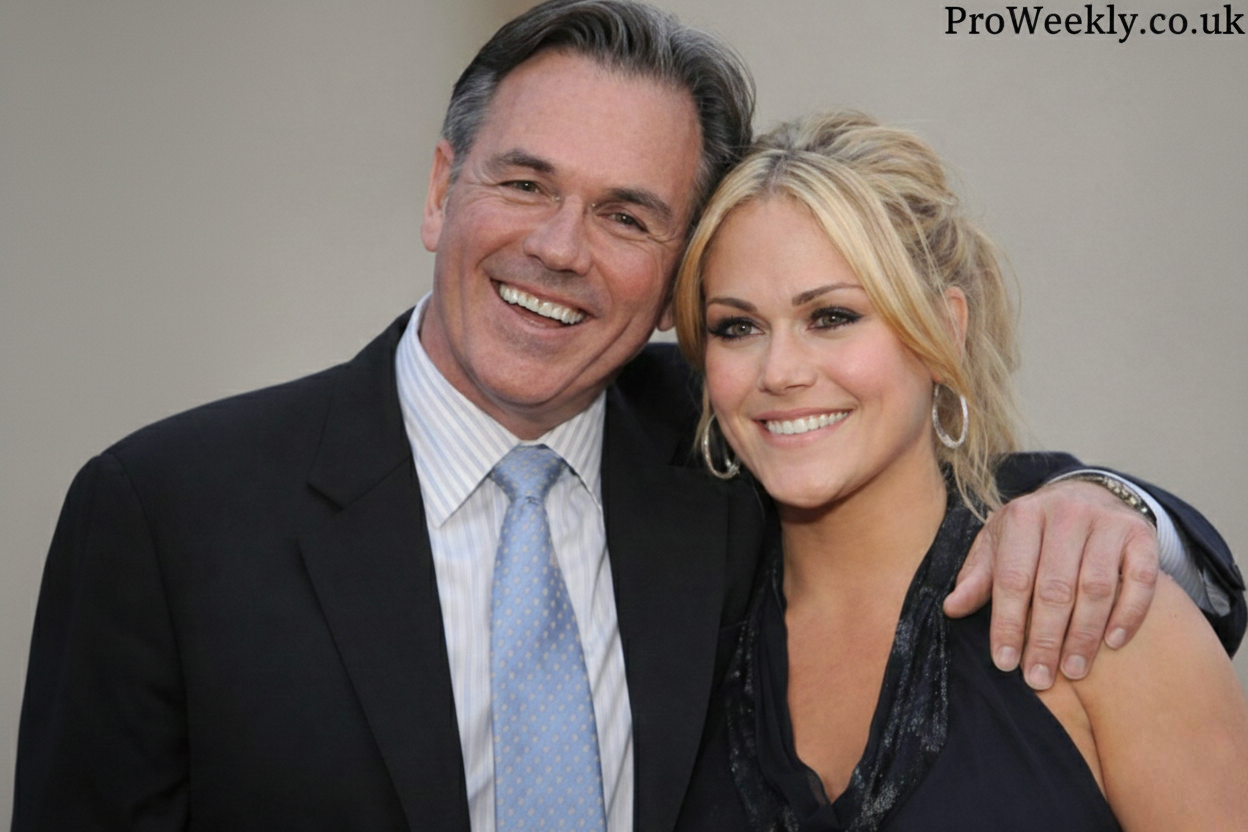
When people hear the name casey beane, the first association is almost inevitable: baseball. As the daughter of one of Major League Baseball’s most influential executives, she grew up in the long shadow of statistics, stadium lights, and the revolutionary strategies that reshaped the sport. Yet reducing her identity to her father’s legacy would be an incomplete and unfair portrait. The story of casey beane is not merely about lineage. It is about navigating visibility and privacy, loyalty and independence, and finding personal footing while connected to one of the most discussed figures in modern baseball history.
While her father, Billy Beane, became globally known through the book and film Moneyball, Casey’s own presence in that narrative was subtle but meaningful. She appeared not as a public personality seeking attention, but as a grounding emotional force in a story dominated by business strategy and statistical revolution. Understanding casey beane requires looking beyond headlines and box scores to see how family dynamics, divorce, ambition, and fame intersected in her early life.
In an era where children of prominent figures often become celebrities by association, casey beane chose a different path. Her life reflects a conscious preference for privacy, authenticity, and personal development rather than public spectacle. That choice itself reveals depth and character worth exploring.
Early Life and Family Background
Casey Beane was born in 1999 to Billy Beane and his first wife, Cathy Sturdivant. Her childhood unfolded against the backdrop of professional baseball’s evolving landscape, particularly during Billy Beane’s tenure with the Oakland Athletics. Those were transformative years for the franchise. Budgets were tight, expectations were high, and the front office was rewriting the rules of player evaluation.
For a young girl, that environment was not abstract. It meant road trips, irregular schedules, and a father whose work often consumed headlines. The Beane family dynamics shifted when Billy and Cathy divorced. Like many children of separated parents, Casey navigated shared time and emotional adjustments. But unlike most, her father’s professional struggles and successes were playing out on national television.
The public narrative surrounding Billy Beane often focused on wins, losses, and financial efficiency. What rarely entered discussion was how much he valued his relationship with his daughter. Interviews and depictions have consistently suggested that casey beane served as a moral compass and emotional anchor for him. Her presence reminded him that beyond payroll spreadsheets and roster moves, life demanded balance and humanity.
The “Moneyball” Era and Cultural Impact
The release of Michael Lewis’s book Moneyball and the subsequent 2011 film adaptation starring Brad Pitt brought Billy Beane into mainstream pop culture. In the film, Casey appears as a young girl who shares tender, grounding moments with her father. Though her role was not central to the business narrative, it was essential in shaping the emotional arc.
The film suggested that when professional pressures mounted, casey beane offered perspective. Scenes portraying their relationship were not simply sentimental additions; they revealed the private cost of innovation. Baseball fans may have been captivated by on-base percentages and undervalued players, but the human story was about a father trying to prove something to himself while staying connected to his daughter.
The cinematic version introduced audiences worldwide to casey beane, even if indirectly. Viewers saw a child who admired her father but also quietly challenged him to think about what truly mattered. That portrayal resonated deeply because it felt authentic. It hinted at a real bond rather than a scripted convenience.
The global success of Moneyball elevated interest in Billy Beane’s personal life. Yet even as curiosity grew, Casey did not step into the spotlight. Her relative silence became part of her identity. In a culture hungry for exposure, she maintained restraint.
Education and Personal Growth
While detailed public records about casey beane’s academic journey remain limited—largely due to her preference for privacy—it is known that she pursued higher education and developed interests outside of baseball. Unlike some children of sports executives who gravitate toward front-office roles or athletic careers, Casey appears to have carved a path that emphasizes intellectual and personal independence.
Her upbringing undoubtedly exposed her to high-level discussions about analytics, economics, and leadership. Growing up around a father who challenged traditional baseball scouting likely fostered critical thinking skills. However, exposure does not dictate destiny. Casey’s trajectory suggests that she values personal choice over inherited expectation.
The absence of excessive media presence does not indicate a lack of ambition. Rather, it signals thoughtful boundary-setting. In an age where social media often blurs personal and public lines, casey beane’s limited public footprint speaks to intentional privacy. That decision, especially as someone connected to a widely recognized sports innovator, reflects maturity and self-awareness.
The Father–Daughter Bond
Perhaps the most compelling dimension of casey beane’s story lies in her relationship with her father. Billy Beane’s career has been marked by boldness and calculated risk. Yet even the most analytical minds need emotional grounding. By many accounts, Casey provided that.
During the years when the Oakland Athletics were competing against wealthier franchises like the New York Yankees, tension ran high. Media scrutiny was relentless. Decisions were dissected. Critics questioned strategy. In that atmosphere, family became refuge. Casey’s presence reportedly reminded Billy of values beyond competitive success.
What makes this dynamic significant is the contrast it represents. On one hand, Billy Beane championed cold statistical logic. On the other, his daughter embodied warmth, loyalty, and human connection. The coexistence of those forces illustrates that innovation does not negate emotion. In fact, emotional grounding may enable bold innovation.
The portrayal of casey beane in Moneyball emphasized this equilibrium. The film’s quieter scenes between father and daughter balanced its intense boardroom discussions. That narrative device likely mirrored reality more closely than many assume. Families of high-profile professionals often become silent pillars supporting public achievements.
Life Away from the Spotlight
It would have been easy for casey beane to leverage her family name into visibility. Many in similar circumstances build public platforms, pursue entertainment careers, or capitalize on media attention. Casey has largely avoided that route.
Her limited public appearances suggest a deliberate choice to prioritize substance over spectacle. This does not imply isolation but rather a clear distinction between public identity and private life. In a culture where visibility is often equated with value, choosing privacy can be an act of strength.
The scarcity of sensational headlines involving casey beane is notable. There are no public controversies, no dramatic interviews, no attempts to reframe her father’s narrative. Instead, there is a quiet consistency. That consistency contributes to a perception of grounded character.
For many observers, this restraint enhances respect. It suggests that casey beane understands that identity is not inherited; it is built through personal decisions.
The Broader Legacy of Moneyball and Its Human Side
The analytics revolution sparked by Billy Beane’s leadership reshaped professional baseball and influenced other sports. Teams across leagues began valuing data-driven decision-making. Yet amid this structural transformation, the human dimension often receives less attention.
Casey beane represents that human dimension. While front offices debated metrics and market inefficiencies, she symbolized the personal relationships that exist beyond statistics. The broader legacy of Moneyball is not just about exploiting undervalued talent; it is about questioning tradition and daring to think differently. That spirit of challenging norms can also apply to personal life choices.
By stepping back from public exposure, casey beane quietly challenged another norm: the expectation that proximity to fame requires participation in it. Her story underscores that legacy does not have to be loud to be meaningful.
Navigating Identity in a Famous Family
Children of high-profile individuals often confront a subtle but persistent question: Who are you beyond your last name? For casey beane, that question likely carried weight during adolescence and early adulthood. The global recognition of her father following Moneyball amplified the association.
Identity formation in such contexts demands introspection. It requires distinguishing personal aspirations from external expectations. Casey’s measured public presence suggests that she navigated this challenge thoughtfully. Rather than chasing validation through visibility, she appears to have prioritized self-definition.
This approach aligns with psychological research on children of public figures, which emphasizes the importance of autonomy and boundary-setting. By maintaining privacy, casey beane effectively asserted ownership over her narrative.
Public Perception Versus Private Reality
Public perception often simplifies complex lives. In the case of casey beane, many know only that she is Billy Beane’s daughter. That label, while accurate, is incomplete. It does not capture her experiences of navigating divorce, adapting to a father’s demanding career, or witnessing the evolution of a sports revolution firsthand.
Private reality is inevitably richer. Growing up during a transformative period in baseball history likely exposed her to intense conversations, travel, and the pressures of professional competition. Those experiences may have shaped her worldview in subtle ways, influencing her approach to resilience and adaptability.
The contrast between perception and reality reminds us that biographies are never static. Even individuals who choose privacy live multidimensional lives filled with growth, challenge, and reflection.
Conclusion
The story of casey beane is not one of dramatic headlines or public reinvention. It is quieter, but no less meaningful. She stands as a reminder that proximity to fame does not define personal worth. While her father reshaped professional baseball through data-driven innovation, Casey’s influence appeared in more intimate spaces—family dinners, phone calls, shared moments of reassurance.
Her life illustrates that strength can manifest through discretion. In a world eager for exposure, she demonstrates the power of choosing boundaries. The name casey beane may always evoke connections to baseball’s analytical revolution, yet her own narrative reflects independence, emotional intelligence, and intentional living.
Ultimately, the significance of casey beane lies not in public spectacle but in the authenticity of her path. She embodies the human side of a sports story that might otherwise feel dominated by numbers. And in doing so, she offers a subtle but powerful lesson about identity, privacy, and the quiet dignity of living life on one’s own terms.
FAQs
What is casey beane known for?
Casey beane is primarily known as the daughter of Billy Beane, the baseball executive whose innovative strategies were popularized through the book and film Moneyball. She gained public recognition through her portrayal in the 2011 movie.
Did casey beane work in baseball like her father?
There is no widely available evidence suggesting that casey beane pursued a professional career in baseball. She appears to have chosen a more private and independent path outside of the sport’s executive spotlight.
How was casey beane portrayed in Moneyball?
In the film Moneyball, Casey is portrayed as a supportive and emotionally grounding presence in her father’s life. Her character highlights the importance of family amidst professional pressure.
Why is there limited public information about casey beane?
Casey beane has maintained a private lifestyle and has not actively sought media attention. This intentional privacy has limited the amount of publicly available information about her personal life and career.
What makes casey beane’s story significant?
Her story is significant because it reflects the human side of a major sports revolution. While her father’s career transformed baseball analytics, casey beane represents the emotional foundation and personal dimension behind that public success.
READ MORE: toriah lachell: resilience, motherhood, and identity journey

Mobilesrus: Inside the Modern Mobile Marketplace and Why It Matters

Elaine Starchuk: Fame, Privacy, and Reinvention

heidi van pelt: A Life Beyond Fame and Controversy Story Arc

هنتاوي com: The Ultimate Arabic Anime & Entertainment Platform

Elizabeth Fraley Kinder Ready Court Case Uncovered

Inside the Truth About gina carano husband
-

 Blogs1 week ago
cavazaque: The Rise, Identity, and Untold Legacy
-

 Celebrity1 week ago
dallas yocum: The Untold Story of a Private Life Revealed!!!
-

 Tech1 week ago
Gelboodu: Inside the Global Anime Imageboard and Creative Hub
-
 Celebrity1 week ago
heidi van pelt: A Life Beyond Fame and Controversy Story Arc
-

 Tech1 week ago
Zavalio com: Exploring the Rising Digital Content Hub of 2026
-
 Tech1 week ago
Mobilesrus: Inside the Modern Mobile Marketplace and Why It Matters
-

 Culture1 week ago
Valplekar: The Hidden Tapestry of Heritage and Modern Meaning
-

 Tech1 week ago
ssis 469: Solving Hidden SSIS Permission Failures Explained