Home Improvement
acamento: The Overlooked Art of Precision Finishing


Introduction
In the world of construction and craftsmanship, the smallest details often determine the lasting impression of a project. A structure may be solid, a design may be innovative, and the materials may be expensive, yet without careful finishing, the final result can feel incomplete. This is where acamento plays a defining role. Though frequently overshadowed by structural work and architectural design, acamento is the subtle craft that transforms raw construction into refined space.
Acamento is not simply about aesthetics. It represents the final stage where precision, durability, and visual harmony meet. It is the difference between a house and a home, between a structure and an experience. Whether in residential interiors, commercial complexes, or industrial facilities, acamento gives character, texture, and protection to surfaces. It shapes how people perceive and interact with their environment.
Understanding acamento requires looking beyond paint and polish. It is a sophisticated discipline rooted in material science, design sensibility, and skilled workmanship. The impact it carries goes far beyond appearance, influencing comfort, maintenance, and even property value.
What Is acamento
Acamento refers to the finishing phase of construction where surfaces, structures, and design elements are refined, treated, and completed to achieve their final form. It includes processes such as plastering, painting, flooring installation, tiling, wood finishing, metal polishing, ceiling detailing, and decorative treatments. In essence, acamento transforms structural frameworks into visually cohesive and functional environments.
While structural work ensures stability and safety, acamento determines how a space looks, feels, and performs over time. The choice of finishes affects durability, resistance to moisture, sound absorption, insulation, and overall user comfort. In many ways, acamento bridges engineering and artistry. It demands both technical precision and aesthetic judgment.
In professional construction terminology, acamento is often associated with interior and exterior finishing. However, its scope extends beyond decoration. It includes protective coatings that prevent corrosion, waterproofing treatments that safeguard foundations, and surface sealing techniques that increase longevity. When done properly, acamento enhances both beauty and performance.
The Historical Evolution of acamento
The concept of acamento is not new. Ancient civilizations understood the importance of surface finishing long before modern tools existed. In ancient Egypt, limestone walls were polished and painted with mineral pigments. Roman architecture featured elaborate mosaics and frescoes that required meticulous finishing techniques. These early practices demonstrate that humans have long valued refinement as much as structural strength.
During the Renaissance, finishing techniques evolved dramatically. Decorative plasterwork, intricate wood carving, and marble polishing became symbols of sophistication. The craftsmanship involved in acamento during this era required years of apprenticeship. Surfaces were not merely covered; they were sculpted, layered, and enhanced with artistic precision.
The industrial revolution brought new materials such as cement, steel, and synthetic paints, expanding the possibilities of acamento. Modern finishing techniques now integrate advanced chemical formulations, engineered composites, and precision machinery. Yet despite technological advancements, the essence of acamento remains rooted in craftsmanship. Tools have evolved, but the need for skilled hands and trained eyes persists.
Core Components of acamento in Construction
Acamento encompasses a wide range of finishing processes, each serving a distinct purpose. Wall finishing is one of the most fundamental aspects. Plastering smooths uneven surfaces, creating a uniform base for paint or decorative treatment. The quality of plaster application directly influences the final appearance and durability of painted walls.
Flooring is another critical component. From ceramic tiles to hardwood planks and polished concrete, the chosen material defines both visual appeal and functional performance. Proper acamento in flooring ensures level installation, seamless joints, and long-term resilience under daily use.
Ceiling finishes also play a vital role. Suspended ceilings, gypsum detailing, and acoustic panels not only enhance aesthetics but also improve sound control and lighting integration. Exterior acamento includes facade treatments, waterproof coatings, and surface sealants designed to protect against weather and environmental damage.
Each of these elements requires careful coordination. Poor execution in one area can undermine the entire project. High-quality acamento demands alignment between architects, engineers, and skilled tradespeople to achieve consistency and harmony.
Materials and Technologies Behind Modern acamento
The evolution of materials has significantly influenced modern acamento techniques. Traditional lime-based plasters have largely been replaced by gypsum-based compounds that offer faster drying times and smoother finishes. Paint formulations now include anti-fungal properties, UV resistance, and low volatile organic compound content, making them safer and more durable.
Advanced coatings have also transformed exterior acamento. Elastomeric paints can bridge small cracks in walls, reducing maintenance issues. Nano-coatings create water-repellent surfaces that prevent staining and mold growth. These technological advancements improve the lifespan of finished surfaces while reducing long-term repair costs.
Digital tools have also entered the field. Laser leveling devices ensure precise floor alignment, while computer-aided design systems allow architects to simulate textures and finishes before installation. Despite these innovations, the final quality of acamento still relies heavily on human skill. Machines can assist, but they cannot fully replace craftsmanship.
The Economic Value of Quality acamento
Beyond aesthetics, acamento significantly impacts property value. In real estate markets, buyers often judge properties based on finishing quality. Smooth walls, seamless flooring transitions, and consistent paint tones create an impression of care and professionalism. Poor finishing, on the other hand, signals potential hidden flaws.
Investing in high-quality acamento reduces maintenance costs over time. Proper waterproofing prevents structural deterioration. Durable coatings minimize repainting frequency. Well-installed flooring resists cracking and displacement. Although premium finishes may involve higher initial expenses, they often prove cost-effective in the long run.
Commercial properties benefit particularly from durable acamento. Office spaces, retail stores, and hospitality environments experience heavy foot traffic. Finishes must withstand wear while maintaining visual appeal. Thoughtful finishing enhances brand perception and customer experience, contributing indirectly to business success.
Environmental Considerations in acamento
Sustainability has become a major concern in modern construction, and acamento plays an important role in environmental responsibility. The selection of eco-friendly paints, recycled materials, and low-emission adhesives reduces environmental impact. Green building certifications increasingly evaluate finishing materials for toxicity and lifecycle performance.
Natural finishes such as clay plaster and untreated wood are gaining renewed attention. These materials regulate humidity and reduce chemical exposure. Additionally, high-reflectivity paints can lower energy consumption by improving natural lighting efficiency.
Waste management during acamento is equally important. Excess materials, packaging, and chemical residues must be handled responsibly. Skilled professionals plan carefully to minimize waste and avoid unnecessary environmental strain.
The Craftsmanship Behind Superior acamento
While materials and technology matter, the defining factor of excellent acamento remains craftsmanship. Precision cutting, careful alignment, and surface preparation require experience. Even minor imperfections become noticeable once lighting interacts with finished surfaces.
Preparation is often the most overlooked stage. Surfaces must be cleaned, leveled, and primed before finishing begins. Rushing this phase leads to peeling paint, uneven textures, and long-term defects. Skilled artisans understand that flawless acamento depends more on preparation than decoration.
Attention to detail separates average work from exceptional results. The meeting line between wall and ceiling, the smoothness of tile grout, and the consistency of wood stain all contribute to the final impression. These subtle elements create a sense of harmony that is felt even if not consciously noticed.
Common Challenges and Mistakes in acamento
Despite its importance, acamento is frequently rushed toward the end of projects. Time constraints and budget pressures can lead to compromised quality. Inadequate drying times, improper material mixing, and poor surface cleaning are common causes of finishing defects.
Environmental conditions also affect outcomes. High humidity can delay curing, while extreme temperatures can cause cracking. Professionals must adapt techniques according to climate and site conditions. Ignoring these variables often results in costly rework.
Another common mistake is neglecting compatibility between materials. Certain paints may not adhere properly to specific substrates. Flooring adhesives must match the surface type. A deep understanding of material interactions is essential to ensure durability.
Future Trends Shaping acamento
The future of acamento is moving toward smart materials and adaptive surfaces. Self-healing coatings that repair minor scratches are already under development. Antimicrobial finishes have gained popularity, particularly in healthcare and public spaces.
Minimalist design trends also influence finishing choices. Clean lines, neutral palettes, and natural textures require precision execution. As architectural styles evolve, acamento must adapt to support contemporary aesthetics.
Automation may assist with repetitive tasks, yet the demand for skilled finishing professionals remains strong. Human creativity and judgment cannot be fully mechanized. The future likely lies in combining technological efficiency with artisanal expertise.
Conclusion
Acamento may appear to be the final step in construction, but its influence extends far beyond surface appearance. It shapes durability, comfort, sustainability, and economic value. From ancient frescoes to modern nano-coatings, the evolution of finishing techniques reflects humanity’s desire for refinement and excellence.
Quality acamento demands careful planning, skilled execution, and thoughtful material selection. It bridges the gap between structural integrity and lived experience. When executed with precision, it transforms ordinary spaces into environments that inspire confidence and comfort.
In a world increasingly focused on speed and efficiency, the discipline of acamento reminds us that true quality lies in detail. It is not merely about covering surfaces; it is about perfecting them.
FAQs
What makes acamento different from structural construction?
Structural construction focuses on stability and load-bearing elements, while acamento concentrates on finishing surfaces to achieve durability, protection, and aesthetic refinement.
Why is acamento important in property value?
High-quality acamento enhances visual appeal, reduces maintenance issues, and signals professional workmanship, all of which increase market attractiveness and long-term value.
How long does acamento typically last?
The lifespan depends on material quality, environmental conditions, and maintenance. Well-executed acamento can remain intact and visually appealing for many years with proper care.
Are eco-friendly materials suitable for acamento?
Yes, many sustainable materials offer excellent performance. Low-emission paints, recycled flooring, and natural plasters are increasingly reliable and environmentally responsible options.
Can poor acamento cause structural damage?
While acamento itself is not structural, improper finishing such as failed waterproofing or inadequate sealing can allow moisture infiltration, eventually leading to structural deterioration.
READ MORE: babeltee: Redefining Language Through Streetwear Culture Era

Introduction
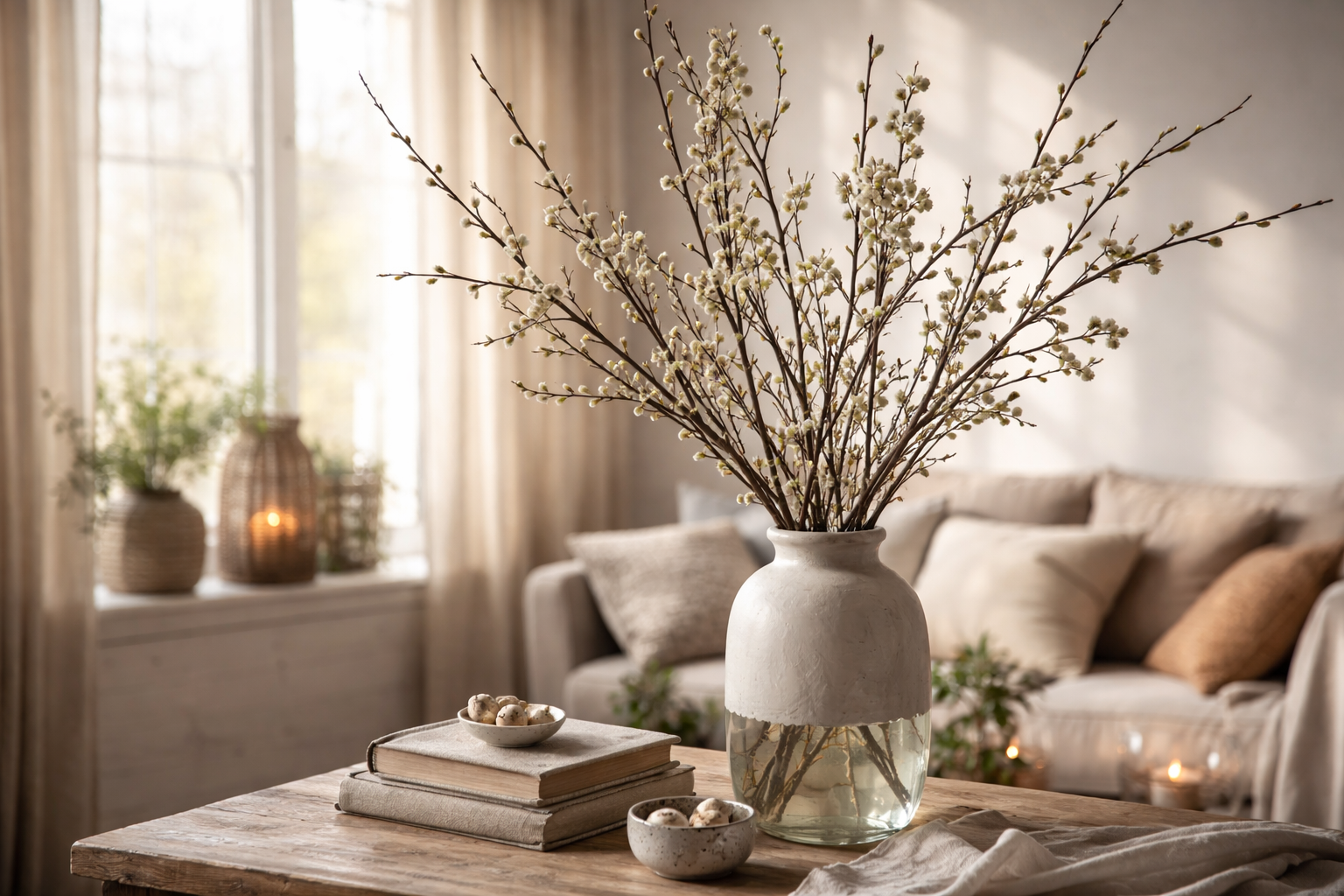
There is something quietly transformative about bringing branches indoors. A simple twig arranged in a ceramic vase can soften a stark room, add movement to still spaces, and introduce a sense of seasonality that no manufactured object can replicate. In Scandinavian design culture, this understated decorative element has a name that carries both simplicity and poetry: pyntekvister. Though the word may sound modest, the tradition behind it is layered with history, craftsmanship, symbolism, and evolving modern relevance.
In recent years, pyntekvister have moved beyond rural Nordic cottages and into urban apartments, contemporary studios, and even high-end architectural spaces. They are no longer just seasonal decorations; they represent a philosophy of living that values natural materials, intentional design, and emotional warmth. Unlike cut flowers that fade quickly, branches endure. They curve organically, cast intricate shadows, and create a living dialogue between interior space and the outside world.
Understanding pyntekvister requires more than defining decorative branches. It involves examining cultural roots, aesthetic principles, sustainability values, and the psychological comfort nature brings indoors. This article explores the depth behind this seemingly simple tradition and explains why pyntekvister continue to resonate so strongly in modern homes.
The Cultural Roots of pyntekvister
To understand pyntekvister, one must look toward Nordic landscapes. Long winters, limited daylight, and deep respect for nature have shaped Scandinavian interiors for generations. When snow covered the ground and fresh flowers were scarce, branches from birch, willow, or fruit trees became accessible materials that could be brought inside without cost.
In rural Norwegian households, branches were often placed near windows to reflect changing seasons. In early spring, budding twigs symbolized renewal and hope after months of darkness. During winter holidays, evergreen branches added texture and quiet festivity without overwhelming small living spaces.
The appeal of pyntekvister grew from necessity as much as aesthetics. People learned to see beauty in minimal resources. Instead of elaborate decorations, a carefully selected branch was enough. That philosophy remains central today: decoration does not need to be excessive to be meaningful.
The Aesthetic Philosophy Behind pyntekvister
The enduring charm of pyntekvister is closely tied to Nordic minimalism. Scandinavian design emphasizes clean lines, neutral tones, and functional simplicity. Within such restrained spaces, branches offer contrast without chaos.
A branch is unpredictable in shape yet harmonious in form. Its curves introduce softness against straight walls and furniture edges. When light hits it, shadows dance across surfaces, adding visual depth that changes throughout the day. This dynamic quality gives a room subtle movement without clutter.
Unlike artificial décor, pyntekvister invite contemplation. They encourage stillness. The imperfections of bark texture and natural bends reflect authenticity, which aligns with the broader Scandinavian design principle of honesty in materials. There is no attempt to disguise what it is. A branch remains a branch, appreciated for its organic integrity.
Seasonal Expression Through Branches
One of the most compelling aspects of pyntekvister is their seasonal flexibility. In spring, budding cherry or apple branches bring anticipation and freshness. In summer, leafy cuttings create a lively atmosphere indoors. Autumn introduces rich, earthy tones through branches with fading leaves or decorative berries. Winter arrangements may include bare twigs, which express quiet elegance and introspection.
This seasonal adaptability means pyntekvister are never static. They evolve throughout the year, mirroring nature’s rhythm. Rather than replacing entire decorative schemes, homeowners can simply change branches, maintaining continuity while refreshing ambiance.
This cyclical approach also deepens emotional connection. Observing tiny buds open indoors can feel intimate and grounding. It reminds people that even in confined spaces, life continues to unfold.
Sustainability and Environmental Awareness
In an era increasingly concerned with sustainability, pyntekvister naturally align with eco-conscious living. Unlike plastic décor or imported floral arrangements, branches can be responsibly gathered locally. They require no industrial manufacturing, minimal packaging, and little environmental impact.
This simplicity speaks to modern environmental values. Choosing pyntekvister often means embracing slow living. It encourages mindfulness about where materials come from and how they are used. A single branch can be reused, dried, or composted without waste.
Additionally, the durability of branches makes them more sustainable than fresh flowers. While flowers wilt within days, well-selected pyntekvister can last weeks or even months. Some are preserved and used year after year, reducing unnecessary consumption.
The Psychological Comfort of Natural Elements
There is growing evidence that natural materials indoors improve mental well-being. While scientific language often describes this as biophilic design, the emotional experience is simpler. Being near elements of nature makes people feel calmer.
Pyntekvister contribute to this sense of calm. They do not demand attention, yet their presence softens a space. They create a quiet connection to forests, gardens, and outdoor air. Especially during dark Nordic winters, that connection becomes deeply significant.
The subtle fragrance of certain branches, the tactile texture of bark, and the organic asymmetry all engage the senses gently. Unlike bold decorative statements, pyntekvister operate almost subconsciously, shaping atmosphere without overwhelming it.
How Modern Designers Interpret pyntekvister
Contemporary interior designers have embraced pyntekvister in innovative ways. In minimalist apartments, tall branches in sculptural vases become focal points. In rustic cabins, clusters of smaller twigs add layered texture. In commercial spaces, large-scale branch installations create dramatic yet natural architectural features.
The modern reinterpretation does not abandon tradition. Instead, it refines it. Designers often select branches with intentional curves, placing them in vessels that complement overall color schemes. Matte ceramics, clear glass, or even recycled metal containers are common choices.
What makes pyntekvister so adaptable is their neutrality. They work equally well in monochrome spaces and colorful interiors. They can enhance industrial aesthetics or soften contemporary concrete structures. Their versatility ensures continued relevance.
Craftsmanship and Arrangement Techniques
Although branches may seem simple, arranging pyntekvister requires a thoughtful eye. Balance is key. Too many branches can create visual clutter, while too few may feel sparse without intention.
Height variation plays an important role. A single tall branch can create elegance, while multiple mid-height twigs provide density. Negative space is equally important. The empty areas around branches allow their shapes to breathe.
Water is sometimes used for fresh branches, but many people prefer dry arrangements. Removing excess leaves can highlight the structural beauty of the wood. Some choose to gently bend branches while still flexible to create subtle arcs that enhance composition.
The art lies not in complexity but in restraint. Knowing when to stop is part of mastering pyntekvister.
Symbolism and Emotional Resonance
Beyond decoration, pyntekvister carry symbolic meaning. In spring, they represent hope and renewal. In winter, bare branches symbolize endurance and quiet strength. Throughout the year, they embody continuity between indoor life and outdoor cycles.
For many Scandinavian families, the act of collecting branches is itself meaningful. It often involves walking outdoors, observing trees, and choosing pieces carefully. This ritual fosters awareness and appreciation.
Such symbolism is not loud or dramatic. It is gentle and personal. That subtlety makes pyntekvister emotionally powerful. They do not impose meaning but invite reflection.
Global Appeal Beyond Scandinavia
While rooted in Nordic culture, pyntekvister have found global appreciation. As Scandinavian design gained international popularity, so did its decorative traditions. Urban dwellers worldwide now incorporate branches into loft apartments, minimalist homes, and creative studios.
The appeal transcends geography because it speaks to universal desires. People seek authenticity in increasingly digital environments. They crave connection to natural textures. They want decoration that feels intentional rather than mass-produced.
In many ways, pyntekvister offer a quiet antidote to overconsumption. They demonstrate that beauty can be sourced from what already surrounds us.
Challenges and Misinterpretations
Despite their elegance, pyntekvister can be misunderstood. Some view them as unfinished or incomplete décor. Others attempt to over-style them, adding artificial embellishments that dilute their natural charm.
The most successful arrangements maintain honesty. They allow branches to remain central, without excessive additions. When treated as mere placeholders rather than intentional design elements, their impact diminishes.
Understanding the philosophy behind pyntekvister is essential. It is not about filling empty space. It is about enhancing atmosphere with natural form.
Conclusion
Pyntekvister are far more than decorative branches placed in a vase. They represent centuries of cultural adaptation, aesthetic refinement, and emotional connection to nature. Emerging from Nordic necessity, they have evolved into a globally admired design element that balances minimalism with warmth.
Their strength lies in simplicity. They require no elaborate tools, no extravagant investment, and no complex instructions. Yet they transform interiors profoundly. They respond to seasons, reflect sustainability values, and nurture psychological comfort.
In a world that often equates decoration with abundance, pyntekvister remind us that restraint can be powerful. A single branch, thoughtfully chosen and carefully placed, can tell a story of place, tradition, and quiet beauty. That is why this humble practice continues to endure and why it feels more relevant today than ever before.
FAQs
What does pyntekvister mean?
Pyntekvister is a Norwegian term that translates to decorative branches used indoors for aesthetic purposes. It refers to the tradition of placing natural branches in vases or containers as part of interior design.
Are pyntekvister only used in Scandinavian homes?
Although the tradition originates in Scandinavia, pyntekvister are now embraced worldwide. Their minimalist appeal and natural elegance make them suitable for many design styles across different cultures.
Which types of branches are best for pyntekvister?
Common choices include birch, willow, cherry, apple, and other local tree branches. The best selection depends on the season and desired visual effect. Fresh budding branches work well in spring, while bare twigs suit winter interiors.
How long do pyntekvister last indoors?
Fresh branches placed in water can last several weeks, especially if trimmed properly. Dry arrangements may last months or even years, depending on environmental conditions and handling.
Can pyntekvister fit into modern minimalist design?
Yes, they are particularly well suited to minimalist spaces. Their organic shapes add contrast and warmth without cluttering the environment, making them ideal for contemporary interiors.
READ MORE: tsunaihaiya: The Untold Story Behind Its Rising Influence

Mobilesrus: Inside the Modern Mobile Marketplace and Why It Matters

Elaine Starchuk: Fame, Privacy, and Reinvention

heidi van pelt: A Life Beyond Fame and Controversy Story Arc

هنتاوي com: The Ultimate Arabic Anime & Entertainment Platform

Elizabeth Fraley Kinder Ready Court Case Uncovered

Inside the Truth About gina carano husband
-
 Celebrity4 days ago
Inside the Truth About gina carano husband
-

 Blogs12 hours ago
cavazaque: The Rise, Identity, and Untold Legacy
-

 Celebrity12 hours ago
dallas yocum: The Untold Story of a Private Life Revealed!!!
-

 Culture4 days ago
Çievri: Ancient Georgian Clay Vessel Tradition
-

 Tech12 hours ago
Gelboodu: Inside the Global Anime Imageboard and Creative Hub
-

 Tech12 hours ago
Zavalio com: Exploring the Rising Digital Content Hub of 2026
-

 Business4 days ago
Protocolo Operacional Padrao: The Complete 2025 Guide
-

 Tech12 hours ago
ssis 469: Solving Hidden SSIS Permission Failures Explained